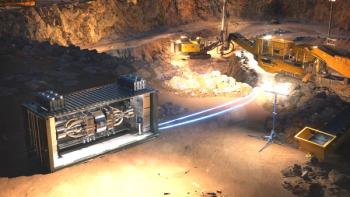
Rolls-Royce is using its nuclear and turbomachinery heritage to create micro-reactors for space and terrestrial applications.
Rolls-Royce is using its nuclear and turbomachinery heritage to create micro-reactors for space and terrestrial applications.
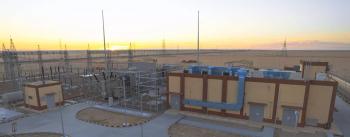
The combination of the two technologies adds up to 280 MW of additional renewable energy to the electricity grid, with the potential to power over 360,000 homes.

The supply for Black & Veatch’s Cedar LNG project consists of four main refrigeration compressors, two boil-off gas compressors, and six centrifugal pumps.

Chevron New Energies led a $45 million funding round for ION Clean Energy, enabling organizational growth and the deployment of its ICE-31 liquid amine carbon-capture solution.
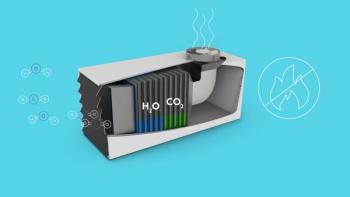
In a collaboration with Deep Sky Labs, Avnos will construct and install a hybrid direct air capture (HDAC) air handling unit at the Deep Sky Labs in Montreal, Canada.

The Myth Busters, Klaus Brun and Rainer Kurz, discuss turbomachinery codes and standards on the TurboTime podcast.
The new company’s direct air capture (DAC) process uses advantaged solid materials, namely zeolites, to capture CO2 and water for end-product production.
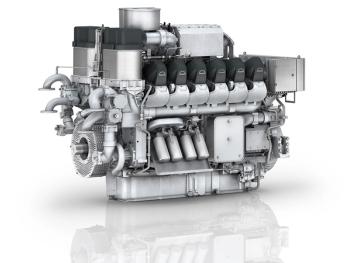
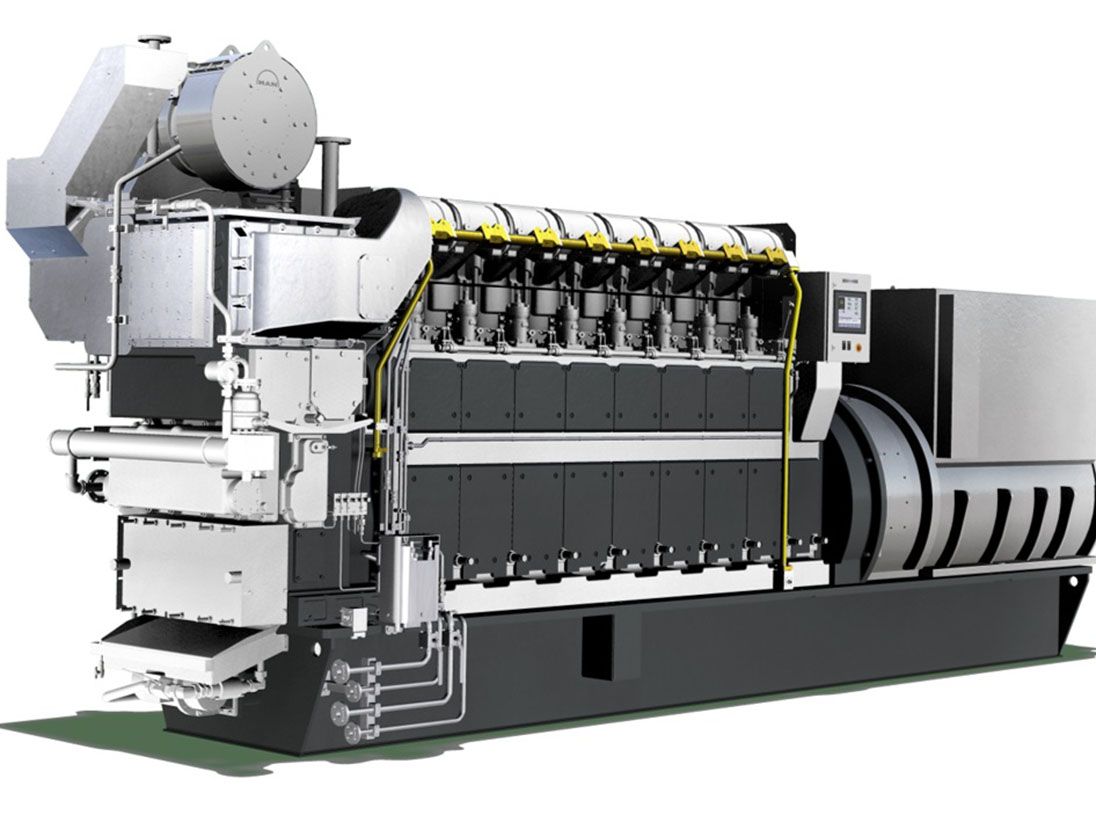
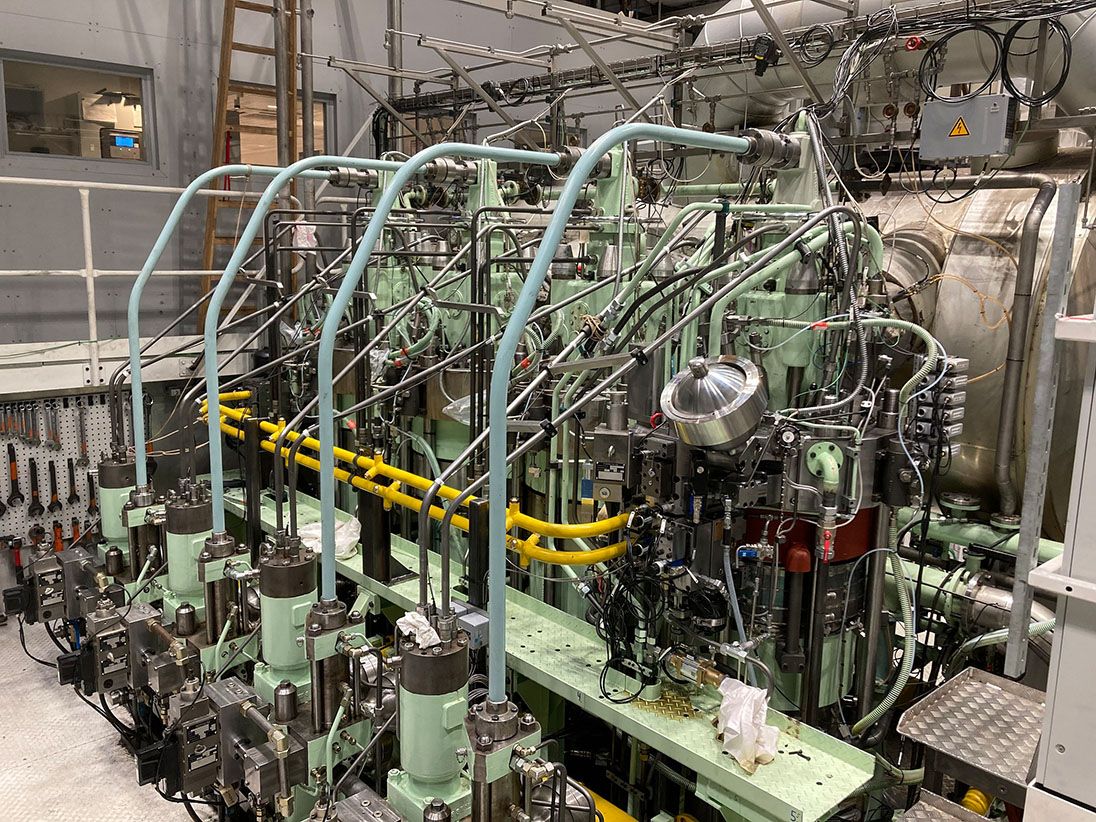
A methanol-fueled variant of the MAN 175D engine and plant equipment will be installed on a Svitzer newbuild tug as part of an upcoming field-test agreement between the companies.

From ground-based technologies to site design and aerial innovations, the industry continues to use smart devices to abate methane emissions.
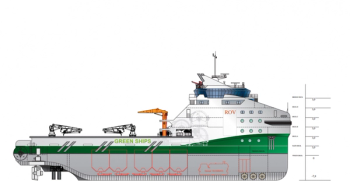
Amogy’s ammonia-to-electricity technology will allow Green Ships Invest to design, build, and deploy carbon-free electrical platform supply vessels (ePSVs).
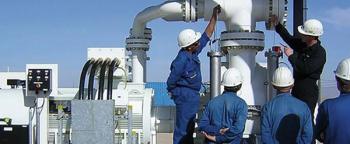
The investment will be allocated toward three industrial process sites in Germany, India, and Saudi Arabia to grow its pump testing services and large, flow-related project awards.

Bolt connections can be the weakest link of a turbomachine, so proper care, sizing, tension, and placement are key to avoiding leaks and other operational problems.
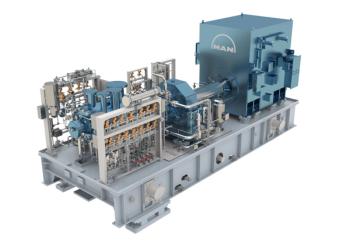
MAN Energy has been commissioned to deliver 11 RB-type compressor trains for a Brazilian floating production, storage, and offloading vessel (FPSO) at the Raia project.

The advantage of SSS Gears is that it specializes in one product—the SSS Clutch—and benefits from the knowledge it has built up over so many years.
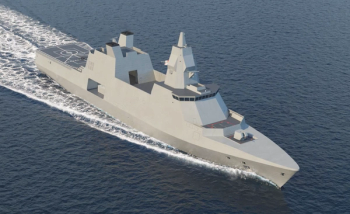
Singapore’s Combat Vessel program will use the supplied ship’s electric grid with integrated full-electric propulsion systems on six ships in the country’s navy.
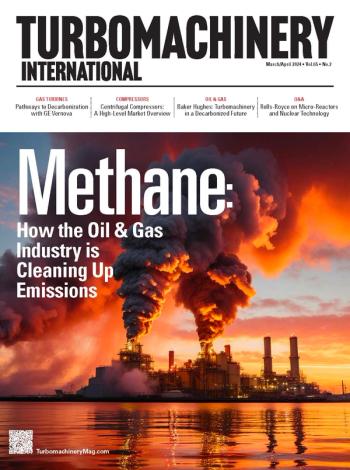
The March/April 2024 issue features insight into how the oil and gas industry is reducing methane emissions, a micro-reactor Q&A with Rolls-Royce, a discussion with GE Vernova on decarbonization, and more.
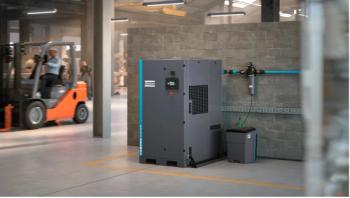
The GA 11-30 FLX uses up to 20% less energy, reducing start-up peak, unload power, and transient losses while delivering optimal flow at varying pressures.
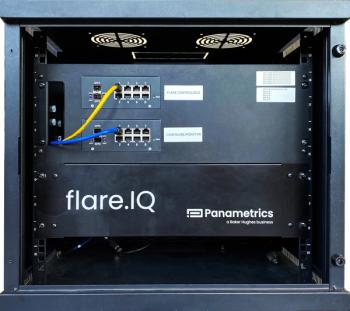
Based on the real-time data from 65 installed flare.IQ units across seven regions, bp is ready to conduct early interventions and reduce methane-slip emissions from flaring.
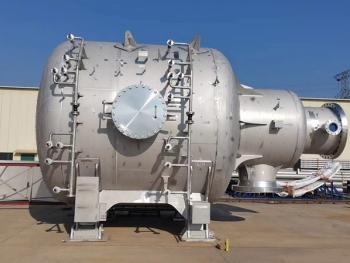
The order from MITSUI E&S Co. is the first selective catalytic reduction (SCR) catalytic converter for an ammonia-ready engine and as an exhaust gas after-treatment solution, can reduce NOx emissions by 90%.
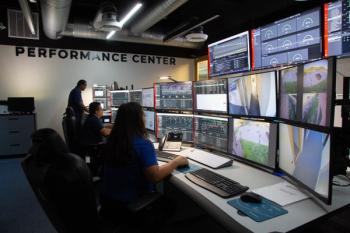
The performance center offers plant owners 24/7 real-time remote start-stop capabilities and access to asset monitoring, diagnostics, and remote engineering support.
The RiverCell 3 project has a $12.4 million budget and will develop a maritime fuel cell system using Advent’s modular 50 kW eMethanol-powered Serene technology.
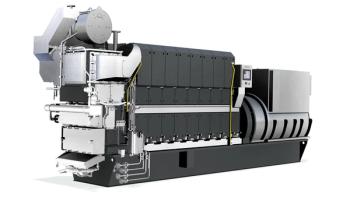
The sub-agreement provides support for MAN’s 21/31 DF-M engine in the Chinese market and the planned type approval test to take place in Q4 2024.
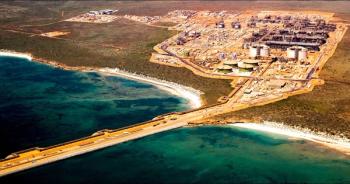
The company received an award to supply specialty high-pressure closures for carbon-capture and storage facilities at the Gorgon Project in western Australia.
The palladium-alloy membrane separators were validated for separating hydrogen blends from 5-20% at 99% purity for use in fuel-cell applications.
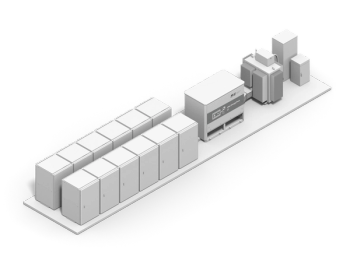
Rolls-Royce signed an agreement with AST to supply an mtu EnergyPack QG large-scale battery storage system to ensure the stability and synchronization of the Latvian national grid.