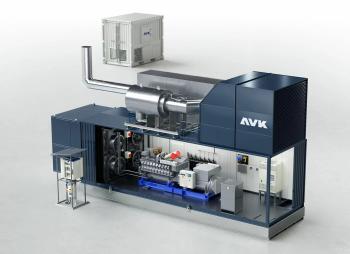
These generators were largely deployed at data centers and commercial real estate developments across Europe, and AVK obtained orders for 120 additional units in 2025.
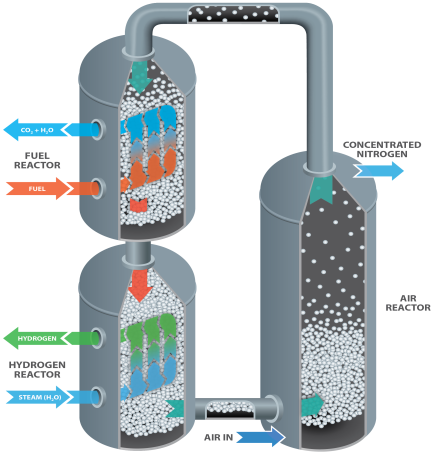
Babcock & Wilcox Obtains $10M for BrightLoop Hydrogen, Carbon Capture in West Virginia
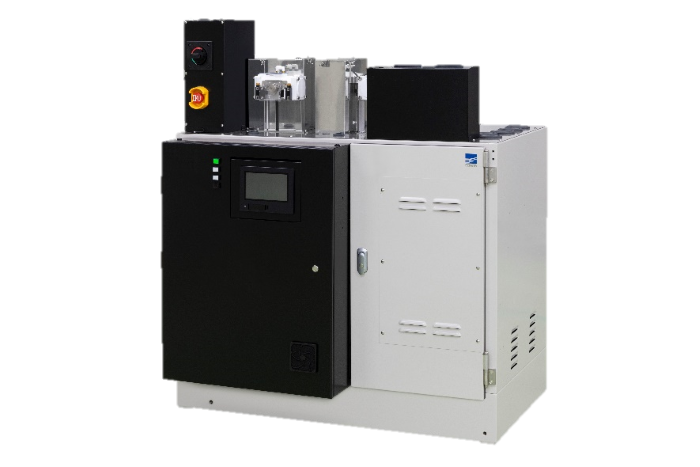
Ebara Corp. Unveils Semiconductor Manufacturing Solution: Model LPCMN Exhaust Gas Abatement System
These generators were largely deployed at data centers and commercial real estate developments across Europe, and AVK obtained orders for 120 additional units in 2025.
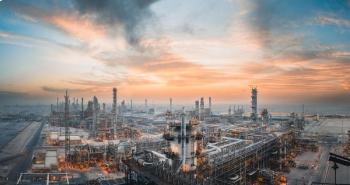
Ebara Elliott Energy will deliver 22 units across its compressor, pump, and turbine product lines to the AMIRAL project—a refinery equipped with a mixed-feed cracker and petrochemical units.
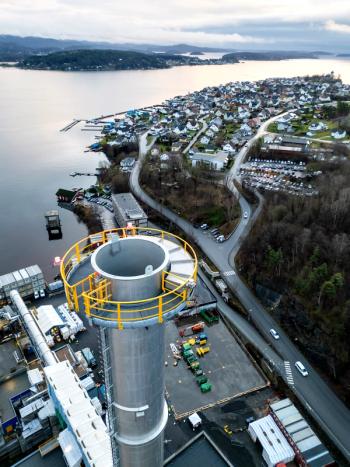
The Brevik plant, starting operation in 2025, is part of the Longship project—a complete value chain for the capture, transport, and storage of industrial CO2 emissions.
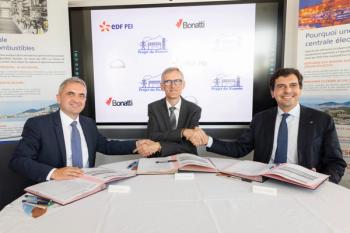
MAN Energy Solutions will provide eight 18V51/60 engines and its after-sales brand will provide spare parts, technical services, and more over 25 years.
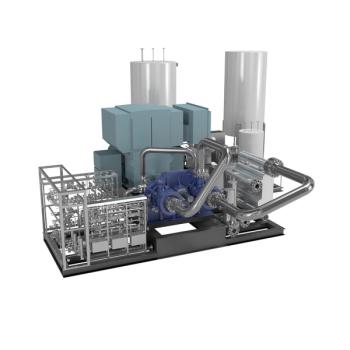
Hanwha Power Systems offers insights into its supercritical CO2 systems that leverage high energy and dual gas/liquid properties to efficiently drive larger machines.
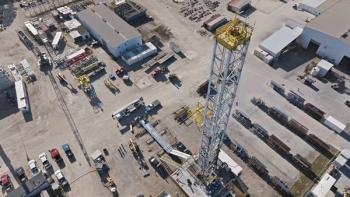
The partnership explores deeper geothermal energy sources to lower the plant’s fossil fuel consumption, greenhouse gas (GHG) emissions, and cost compared to traditional geothermal.
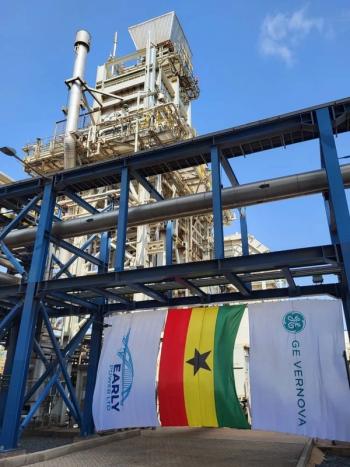
The planned 515-MW power plant project will increase Ghana’s thermal generation capacity by over 7%.
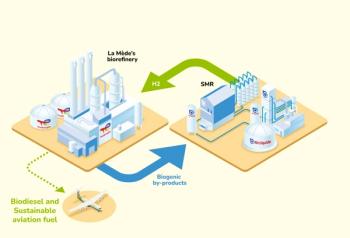
The production unit generates hydrogen using recycled biogenic by-products, which is then fed back into TotalEnergies’ biorefinery to produce biofuels and sustainable aviation fuels.

The high-precision, non-contact displacement sensors complement condition monitoring systems by measuring and monitoring runout, speed, and changes in machine vibration profiles.
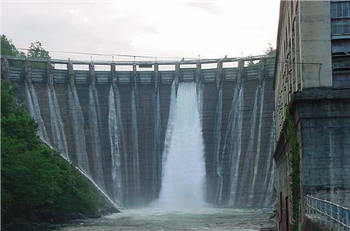
Per a 10-year power purchase agreement, the Smoky Mountain hydroelectric facilities will supply over 14 GWh of carbon-free energy to Tennessee Valley Authority customers.

The sCO2 power generation system will be installed at TC Energy’s compressor station in West Virginia, recovering unused waste-heat exhaust from a gas turbine compressor.
The November/December 2024 issue highlights emerging decarbonization efforts that integrate hydrogen, ammonia, and new technologies into increasingly intermittent grids.

The project will deploy a high-fidelity gas sensing technology that uses dielectric excitation and physics-enhanced analytics to detect hydrogen leaks at industrial locations.
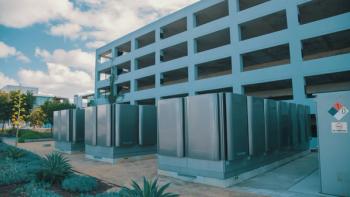
American Electric Power will install 100 MW of Bloom fuel cells at data centers to help meet increasing AI load and subsequent power demand.
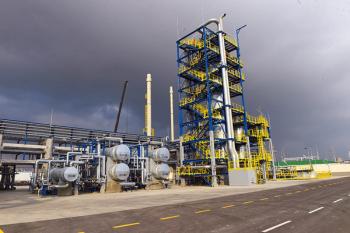
Baker Hughes’ systems will reduce CO2 and recover the flare gas equivalent of up to 7 million Nm3 of methane per year and then be used as fuel within the Baku Oil Refinery.
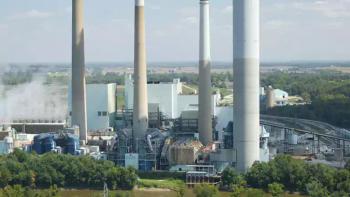
Babcock & Wilcox Thermal will design and install a new natural gas system, air systems, and additional equipment to convert the plant’s two coal-fired boilers.

EcoDataCenter in Falun, Sweden, switched from diesel to HVO to power the 32 mtu backup power generator systems—16 more Rolls-Royce gensets are on the way.

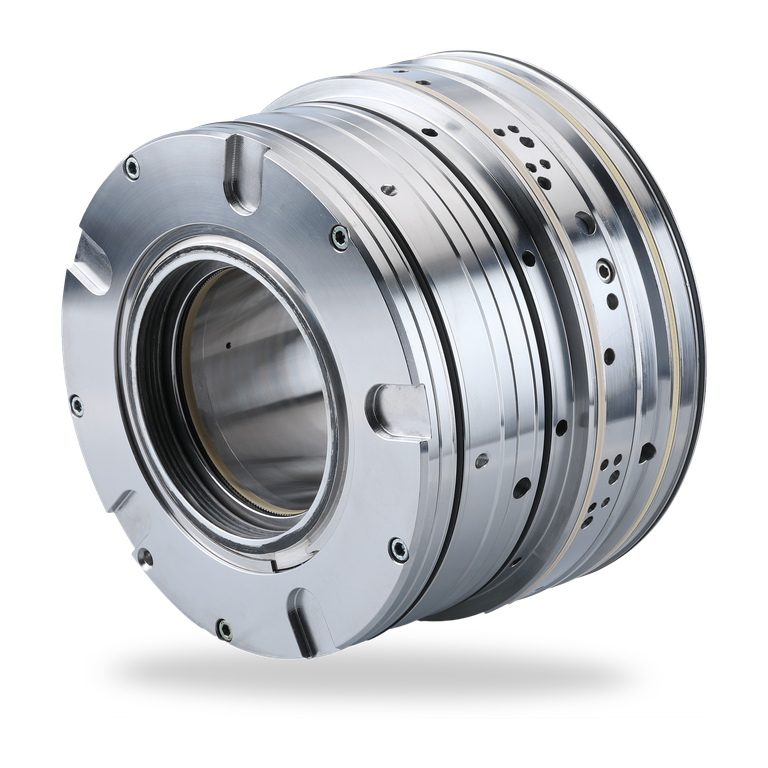
A compressor’s seal system is the culprit of most common unscheduled shutdowns.
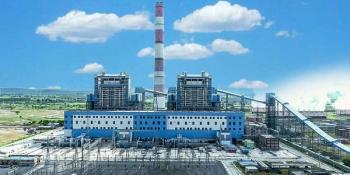
Ohmium, JNCASR, and others are generating green methanol by combining CO2 captured from the Singareni Thermal Power Plant and green hydrogen.
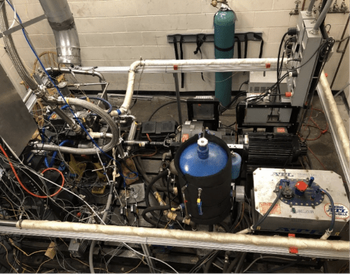
In addition to partnerships with biogas suppliers, methanol offtakers, and technology contributors, Emvolon obtained a $2.3 million technology grant from the Department of Energy.
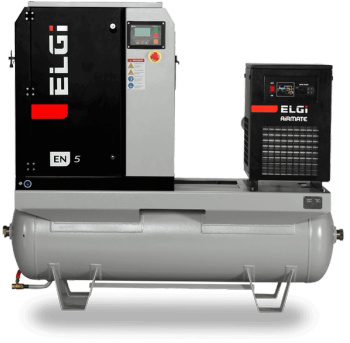
To capture and reinject natural gas into oil reservoirs, Air Source One uses rotary screw compressors, an integrated heater, and a ventilation system.
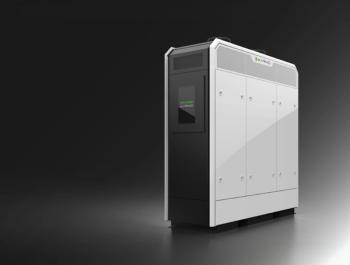
After a successful demo using multiple fuel types, 2024 KARNO generators will service early adopters in EV charging, data centers, waste-gas utilization, and marine power.
The SolveBright scrubbing system—to be installed at Mälarenergi AB’s waste-to-energy plant—is a post-combustion carbon-capture technology that absorbs CO2 from flue gas.

ETN Global takes a deep dive into decentralized energy systems—advantages such as modularity, roadblocks for integration, and the future of power demand—and the role of gas turbines in a decarbonized future.
The contracts open the door for lower-carbon chemicals exports and the development of storage facilities, tank-to-jetty pipelines, inter-site pipelines, and liquid product storage.