
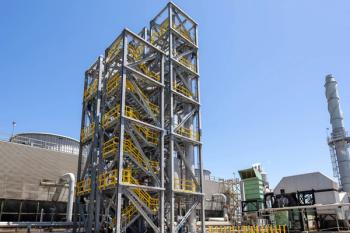
Kevin Lauzze of Sargent & Lundy discusses the rise of carbon-capture pilot projects and how technologies can successfully enter the market.
Kevin Lauzze of Sargent & Lundy discusses the rise of carbon-capture pilot projects and how technologies can successfully enter the market.
Kevin Clark of Clarion Events says, "Power generation is having its day ... again," with data centers, onshoring manufacturing, and electrification beefing up demand.
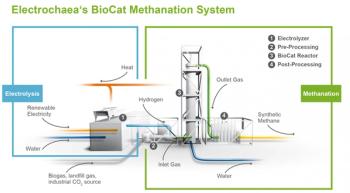
The deployment of Electrochaea´s technology will support Japan’s climate goals to achieve 5% carbon-neutralized gas via the injection of 1% synthetic methane by 2030.
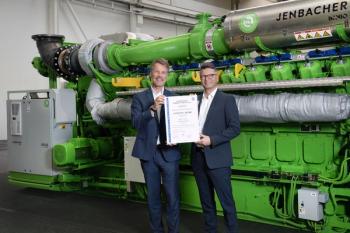
Klaus Payrhuber and Michael Collins of INNIO Jenbacher detail hydrogen engine demonstration projects that may bridge the gap created by renewables.
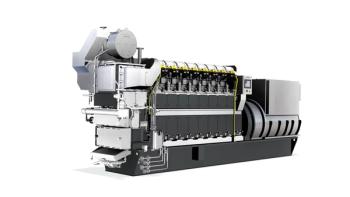
The port fuel-injection methanol concept makes the 21/31DF-M medium-speed, small-bore engine suitable for genset and diesel-electric propulsion applications.
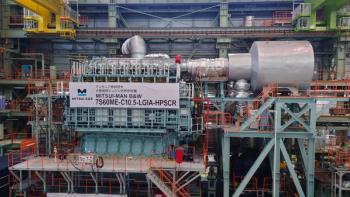
The test phase will also verify the safety and performance of MITSUI E&S’s ammonia fuel-supply system and peripheral systems.
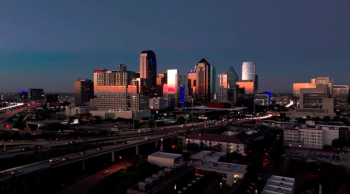
Jeff Benoit and Bobby Noble discuss the reliability and flexibility of gas turbines and how they satisfy many needs within power generation.

OEMs are using AI- and ML-equipped software and control systems to improve data quality and reliability, automate tasks, monitor assets, assist smaller crews, and make predictive maintenance commonplace.
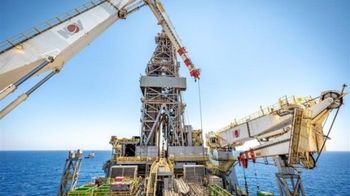
The Raven Field’s initial phase developed eight subsea wells, located up to 65 km offshore, at water depths ranging from 550 to 700 meters.
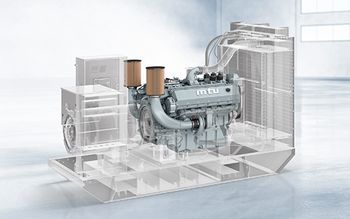
The engines and associated cooling systems will be available for purchase by independent OEMs for integration into their own genset designs.
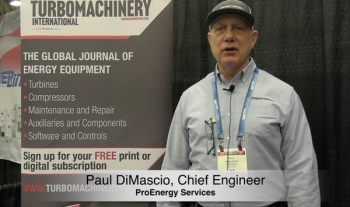
Paul DiMascio of ProEnergy discusses how direct ammonia injection systems simplify NOx and CO removal.
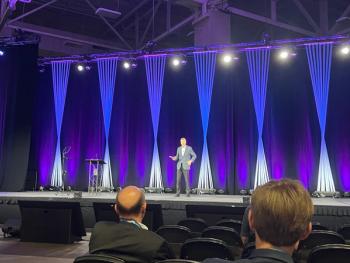
Keynote speakers focused on power consumption and how it will be managed and sustained in the future.
POWERGEN International 2025 spotlights its reoccurring theme: Destination 2050.
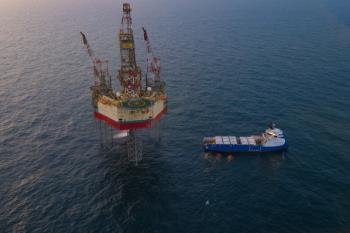
INEOS, Royal Wagenborg, and Royal Niestern Sander shipyard will develop a liquefied CO2 carrier, expected to enter service by year-end 2025.
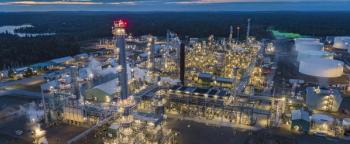
The facility includes existing dock infrastructure and onsite tankage with an LNG storage capacity of 107,000 m3.
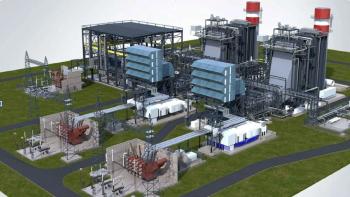
The combined-cycle power station will feature two Siemens Energy SGT6-9000HL high-power-output gas turbines with hydrogen adaptability.
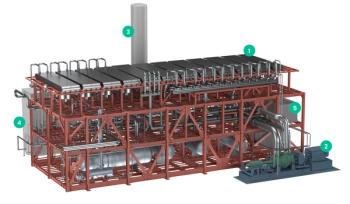
The company will deliver gas compression trains, propane compressors, liquefaction trains, and a power island to the Jafurah Gas Field and Plaquemines LNG.
The January/February 2025 issue gives readers an update on software and controls under the lens of AI and ML, the digitalization of compressor maintenance, and more.
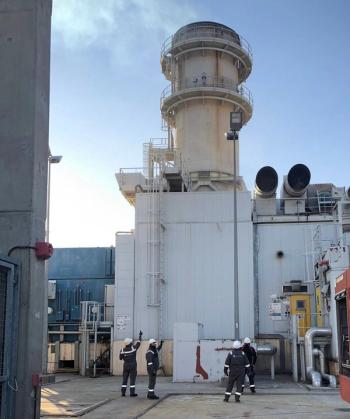
GE Vernova installed advanced gas path upgrades on 9.E gas turbines and MXLII upgrades on 13E2 gas turbines, increasing power output up to 6%.
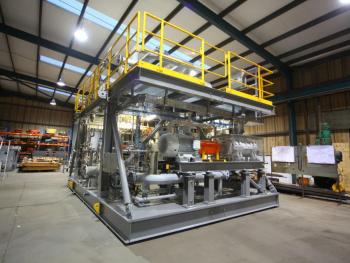
Roots Blowers Systems manufactures displacement blowers engineered to deliver a steady volume of air with each rotation.

In his opening keynote, Lorenzo Simonelli, CEO of Baker Hughes, echoed the theme of an “affordable, sustainable, and secure” energy landscape.
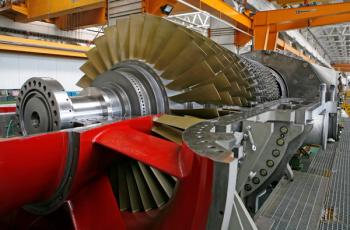
The simple-cycle, bio-fueled station will be powered by Ansaldo’s AE94.3A turbine.
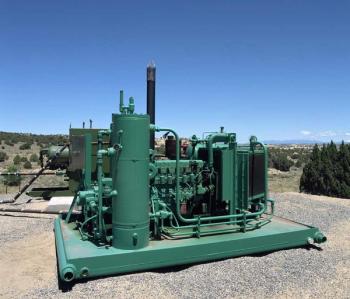
Arrow Engine distributes natural gas-powered engines through a global distribution network, with primary focus on the United States and Canada.
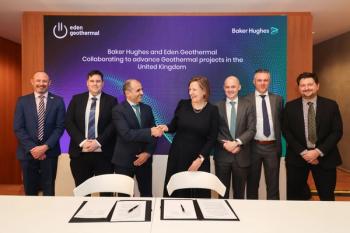
During its Annual Meeting, Baker Hughes signed agreements with Eden Geothermal, PETROVIETNAM, Microsoft, and NNPC/FIRST E&P.
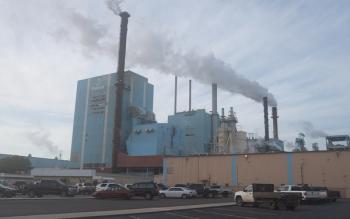
The company’s modular capture plant design reduces capital costs, minimizes the impact on existing factory operations, and easily facilitates integration with pulp mills.