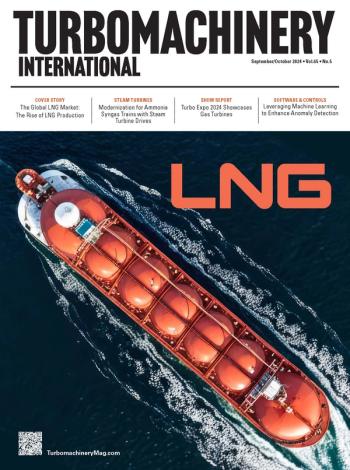
The September/October 2024 issue highlights the dynamic shifts in the global LNG market that are affecting exports, production, capacity growth, and more.
The September/October 2024 issue highlights the dynamic shifts in the global LNG market that are affecting exports, production, capacity growth, and more.
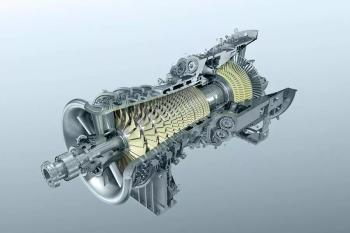
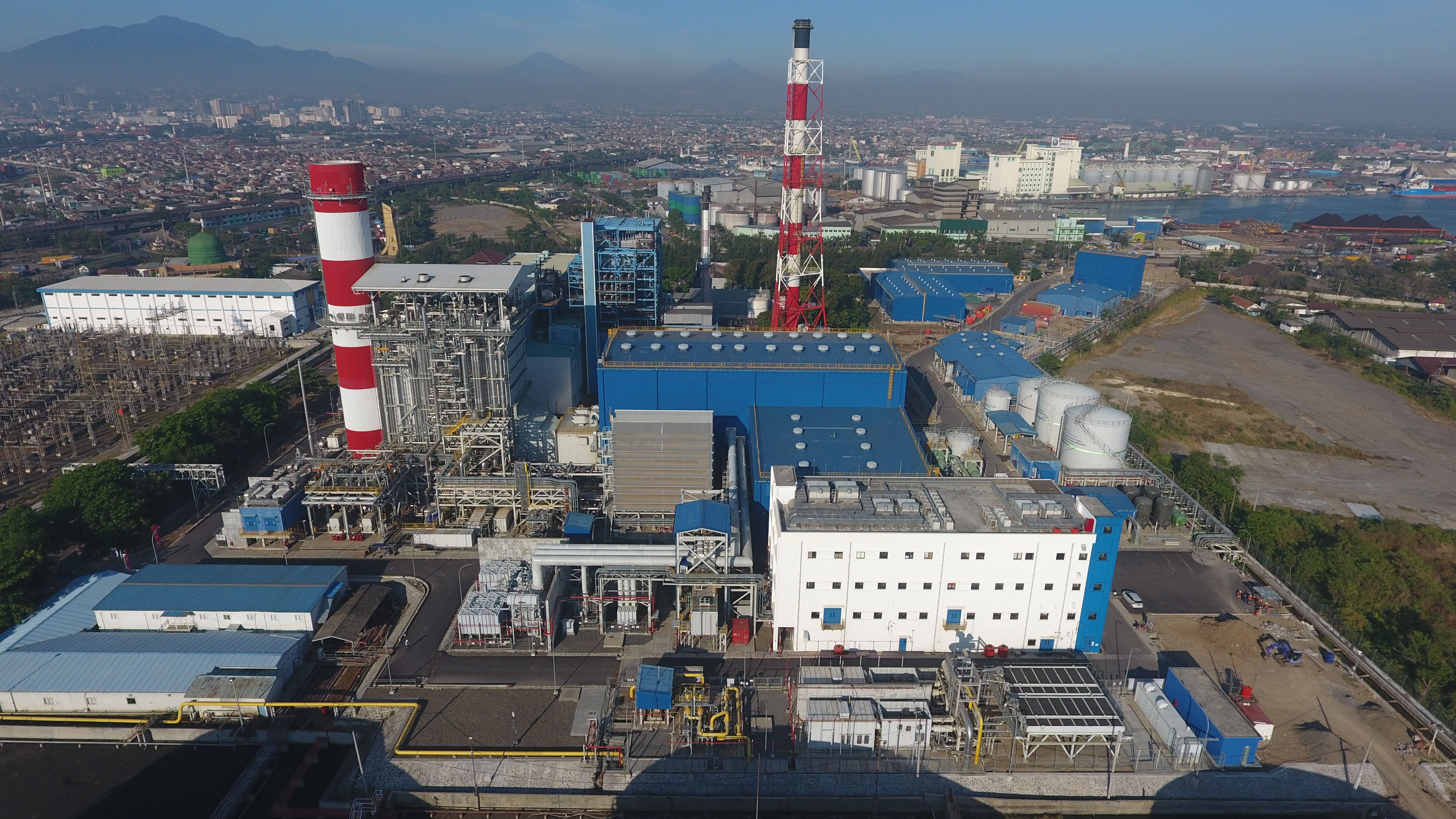
The JAC gas turbine is hydrogen-ready with more than 64% efficiency rate, providing the plant with flexibility, faster start-up times, and load-following capabilities.

Supercritical CO2 (sCO2) may not have superpowers, but turbomachinery operators try to avoid working near the critical point at all costs.
Dag Calafell of TPS talks plans for Asia TPS and the new wing of the Turbomachinery Lab at Texas A&M and its shift in focus from components to systems.
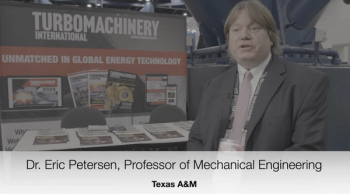
At TPS 2024, Dr. Eric Petersen shared what's new at the Turbomachinery Laboratory at Texas A&M, including combustion and propulsion.
At TPS 2024, Dag Calafell of TPS, shared turbomachinery trends and industry efforts toward decarbonization.
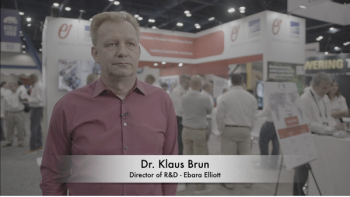
At TPS 2024, Klaus Brun of Ebara Elliott addresses the company’s rebranding, prominent industry challenges, and upcoming products for sustainability and green energy.
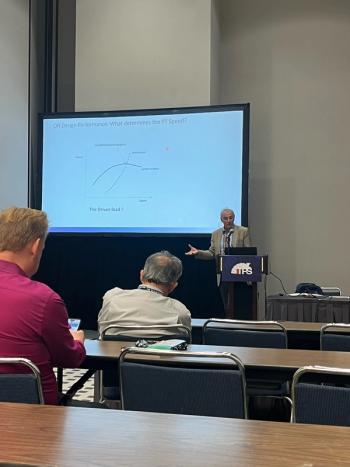
Session speakers offer an analysis of gas turbines, including their working principles, thermodynamics, condition monitoring and maintenance, and bottom-cycle performance.
Dr. Eric Petersen of Texas A&M shares what the hot sessions and topics are at TPS 2024.
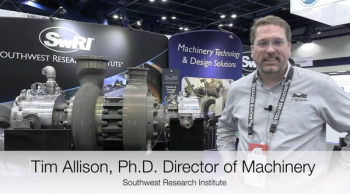
At TPS 2024, Tim Allison, Ph.D., from the Southwest Research Institute (SWRI) shares what’s happening at SWRI.

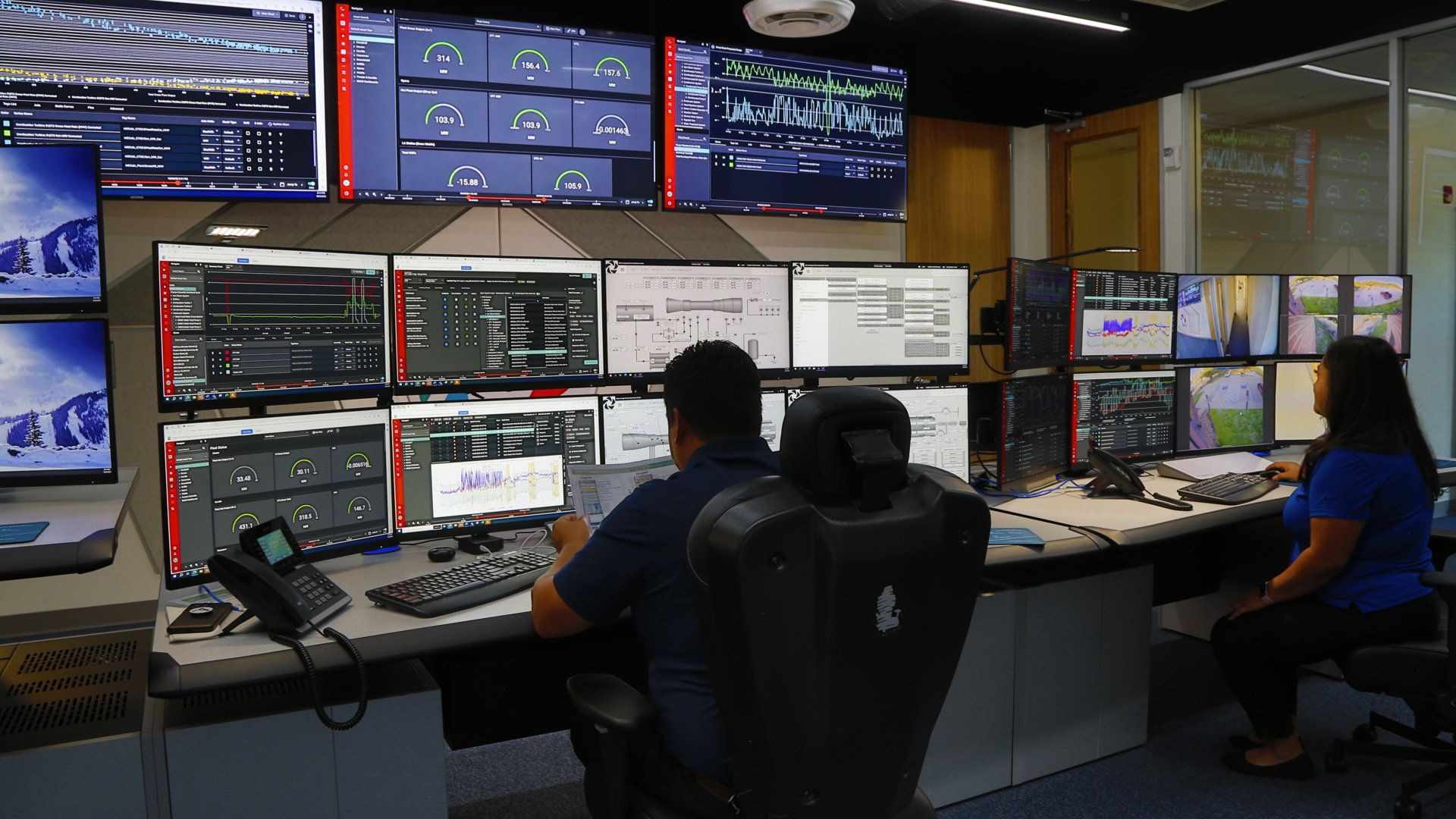
Fabio Zanetti de Souza of Compressor Controls Corp. shares how a compressor’s control system is a central contributor to increasing energy efficiency and reducing emissions.
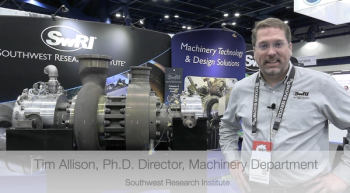
Tim Allison, Ph.D., Director of the Machinery Department at Southwest Research Institute, shares what he's most excited about at TPS 2024 and provides insights into turbomachinery trends.

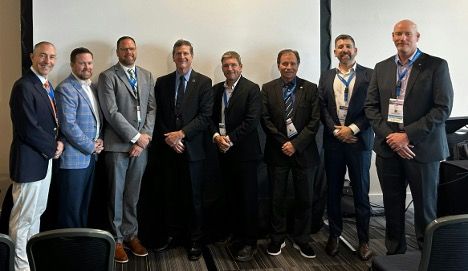
Texas A&M’s TPS 2024 hosts a full house of rotating equipment engineers and technicians from more than 50 countries.
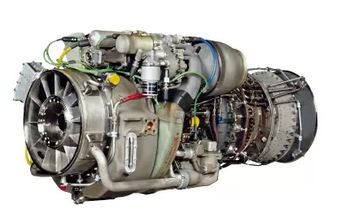
The Polish Ministry of National Defense will obtain a full engine depot and engine training capabilities, ensuring supply security for platforms using T700/CT7 engines.
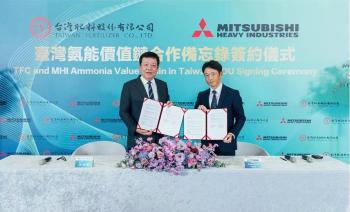
To support the 2050 carbon-neutrality plan, Taiwan Fertilizer Co. (TFC) will use blue and green ammonia as fuel in Taiwan.
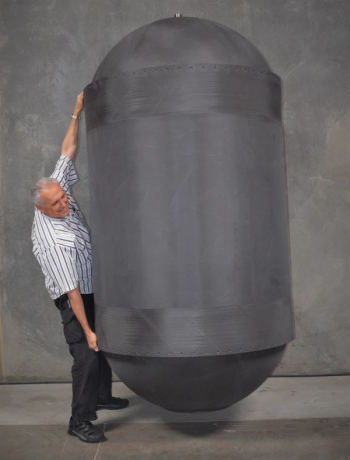
The composite tubing can reduce the chill-down time, hydrogen boil-off, and the dry mass of cryogenic fluid transfer lines.
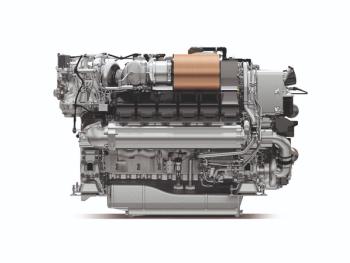
The two companies are expanding their joint venture, MTU Yuchai Power, which manufactures gas engines for emergency power supply across Asia, to include oil and gas.
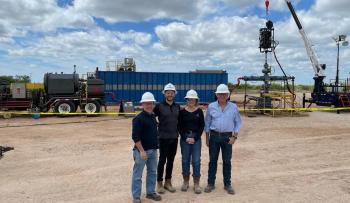
The geopressured geothermal system (GGS) facility will store energy for 6-to-10-hour durations with a round-trip efficiency (RTE) of 70-75% and water losses less than 2%.

The King Abdullah University of Science and Technology (KAUST) will conduct sustainability research, which includes hydrogen, carbon capture and storage, renewables, and more.

The Sutter Decarbonization Project utilizes carbon-capture technology with high-capture efficiency, solvent stability, low emissions, and low energy use.
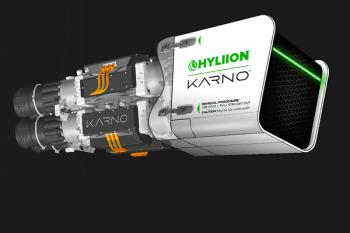
Under the Small Business Innovation Research (SBIR) contract, Hyliion will develop and demonstrate an Unmanned Surface Vessel (USV) modular generator concept.

During this episode, the Myth Busters break down the many terms associated with degradation, what components degrade, how it can be measured and minimized, and more.
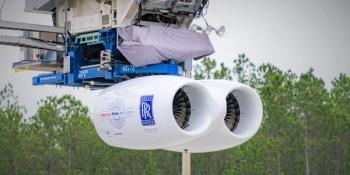
Test data from NASA’s Stennis Space Center informs the production configuration of the F130 engine’s Critical Design Review (CDR), scheduled for fall 2024.
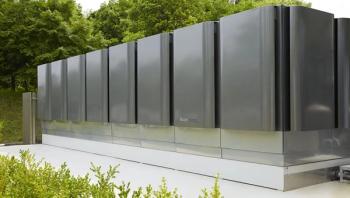
The carbon-free, solid-oxide hydrogen fuel cell produces electricity through direct electrochemical conversion, emitting less environmental pollutants than combustion technology.
NextDecade is targeting a positive final investment decision for Train 4 in late 2024, subject to further commercial support and financing to build Train 4 and related infrastructure.