
Market Trends
Latest News
Kawasaki Heavy Industries Builds CO2-Capture Demo Facility at Kobe Works
By James Cook
Advertisement
Latest Videos



Advertisement
More News
The Turbomachinery News Network, for the week of November 17, 2025, covers news from Air Liquide, ITT Inc., Vertiv and Caterpillar, GE Vernova, and MHI Thermal Systems.
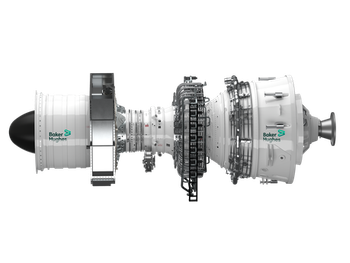
Dynamis Power Solutions will package multiple LM9000 gas turbines as a mobile solution, providing increased versatility for large-scale power consumers in the oil and gas space.
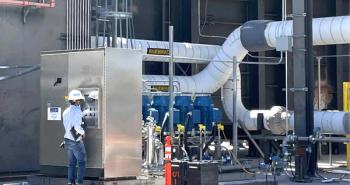
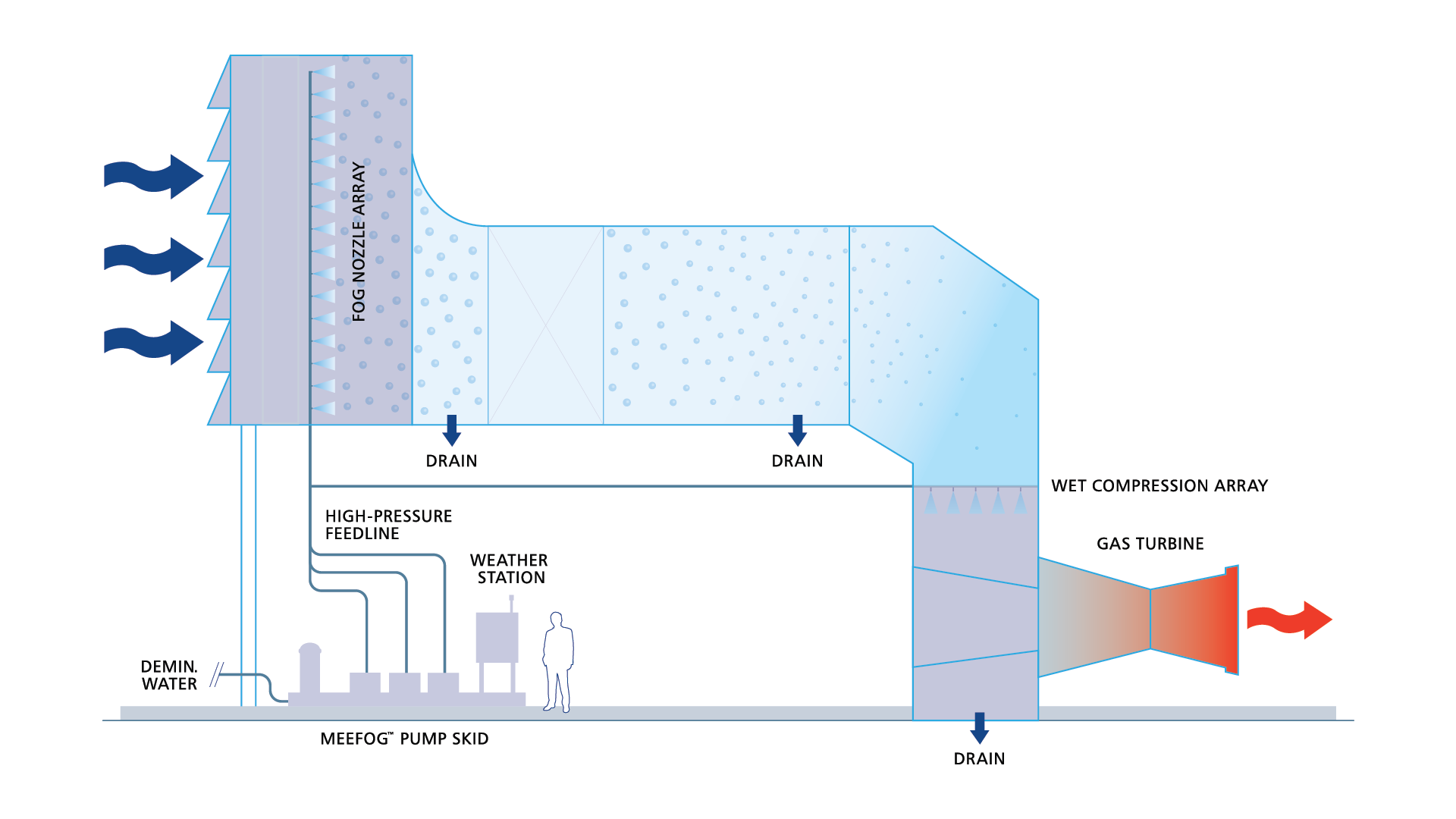
Per Thomas Mee, installing fogging and wet compression technology may extract 10 – 20% more power output from the existing gas turbine fleet, countering longer lead times.

On the power generation side, Caterpillar and Solar Turbines will supply natural gas turbines and reciprocating engines to provide data centers with electric power and thermal energy.

Separate from liquid ammonia operation, the ME-LGIA also sends real-time engine and operational data to Everllence shore-based monitoring to improve performance.
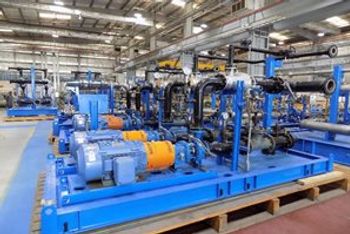
In 2024, the Industrial Process manufacturing facility secured $160 million in orders and is targeting over $300 million in annual orders by 2030.
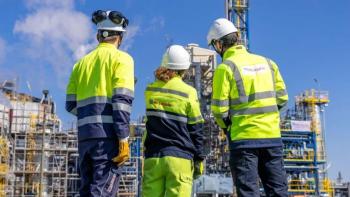
The industrial-scale ammonia cracking unit utilizes key enhancements across critical areas, including process safety, material testing, ammonia combustion, molecule separation, and more.
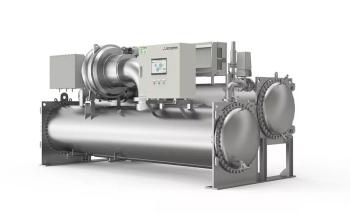
The magnetic bearing technology reinforces an oil-free design, eliminating the need for a lubrication oil system and preventing wear on sliding parts.
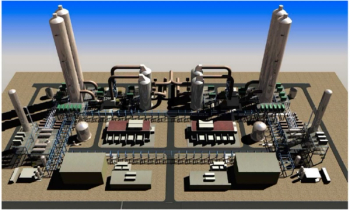
Although the upstream and midstream compressor markets are currently outperforming downstream, historic economic cycles suggest that a recession may arrive by 2031.
The Turbomachinery News Network, for the week of November 10, 2025, covers news from Arabelle Solutions, Baker Hughes, ExxonMobil, and John Crane.
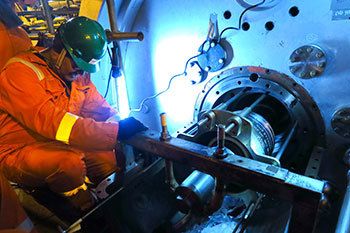
Performance Plus combines data-driven monitoring, expert consultancy, and hands-on training to help turbomachinery users reduce downtime and boost reliability and long-term resilience.
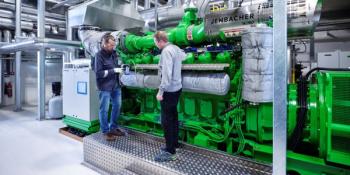
Following over 250,000 hours of testing, the Jenbacher NX Oil 40 demonstrated significantly reduced soot formation, lower particle counts, and improved dispersion over oil drain intervals.
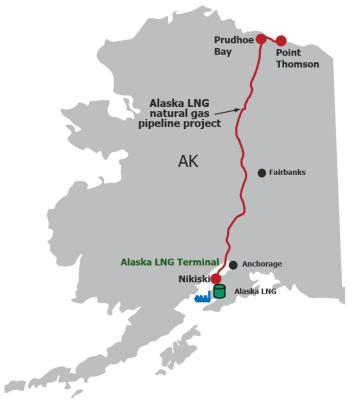
Since Glenfarne became lead developer in March, Alaska LNG has secured commitments for 11 MTPA of LNG from buyers in Japan, Taiwan, South Korea, and Thailand.
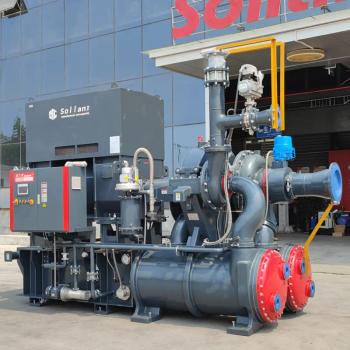
Per Dora Partners’ Christean Kapp, the Chinese compressor market is acquiring foreign technologies, making improvements, and beginning exports to the Middle East and Asia.

With Antea’s mechanical integrity capabilities, Cordant will link inspection data to asset strategy and performance to optimize maintenance and reduce OPEX costs.
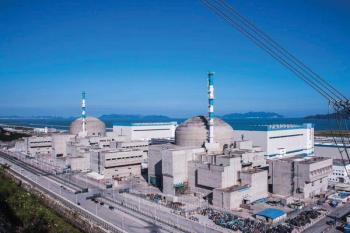
The company will service and maintain multiple units at the Taishan nuclear power plant, in addition to supplying a steam turbine, generator, and controls for the Natrium Wyoming plant.
The Turbomachinery News Network, for the week of November 3, 2025, covers news from Yokogawa Electric, GE Vernova, Everllence, Concepts NREC, and Mitsubishi Heavy Industries.
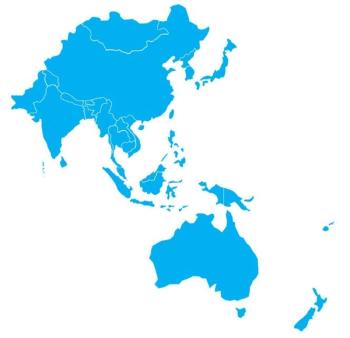
The relocation of North American manufacturing is driving the industrial compression trend in the Asia-Pacific region, as more gas and air compressors are needed to support growth.
The loss of experienced personnel, underdeveloped manufacturing locations, and bottlenecked supply chains are posing significant challenges for building gas turbine capacity.
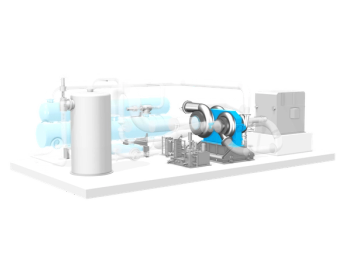
In addition to installing the world’s largest steam heat pump at Kendall Station, Everllence will include a dynamic process simulation and digital twin of the system.
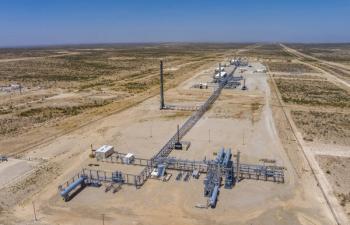
MARA Holdings will construct numerous power generation facilities and data centers near MPLX’s natural gas processing plants across the Delaware Basin.

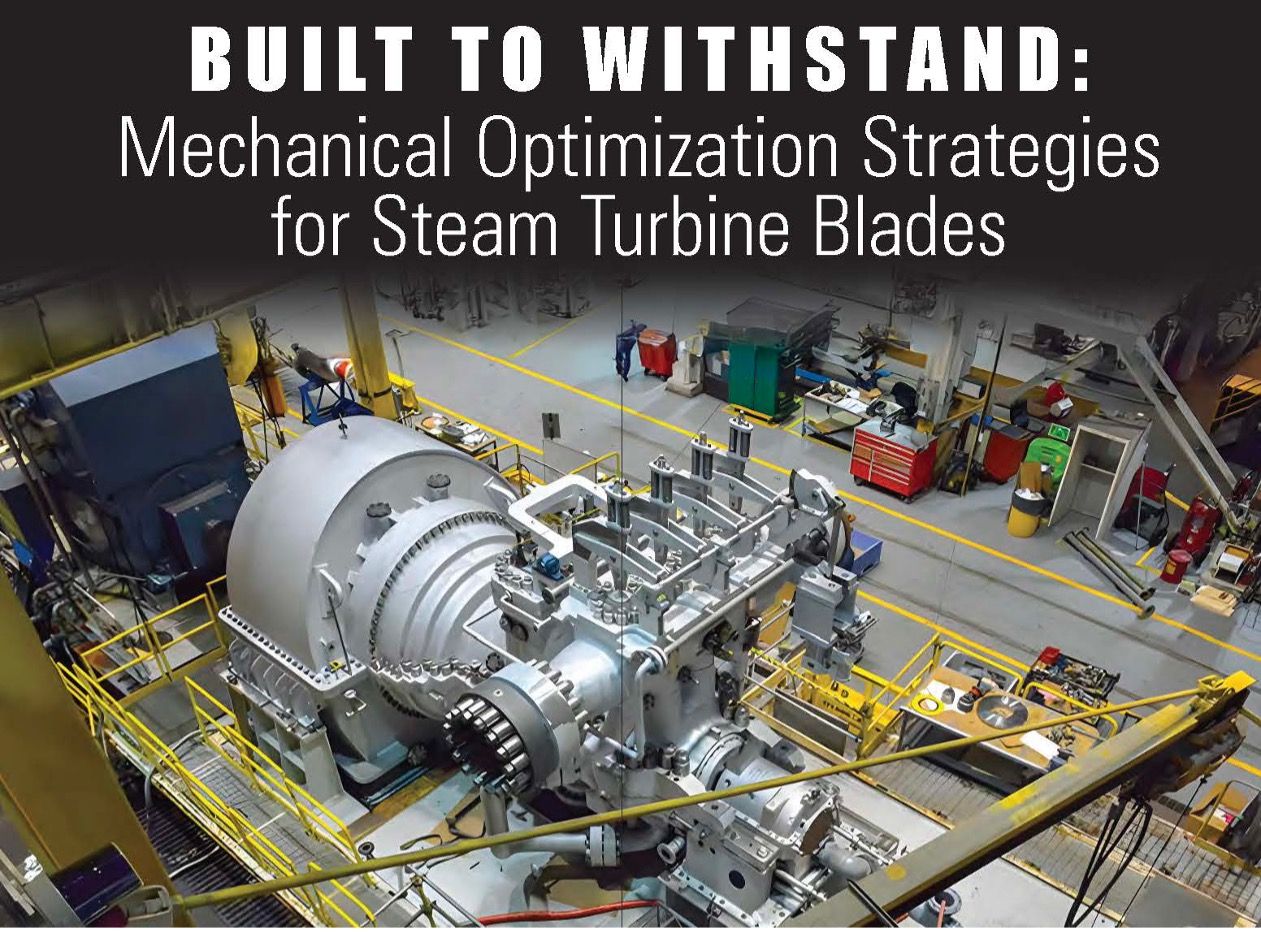
When using gear units within turbomachinery trains, operators should consider wear and degradation, torsional problems, lubrication, and more.
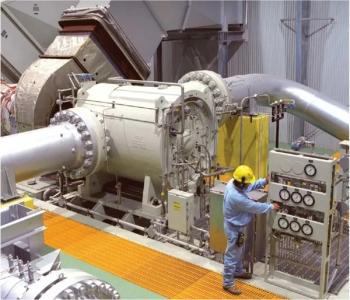
Anthony Brough and Christean Kapp of Dora Partners & Co. address their new partnership with Turbomachinery International and highlight the centrifugal and reciprocating compressor markets.
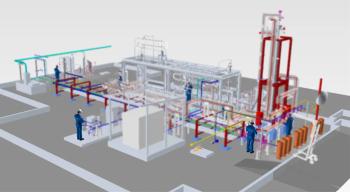
Under the pilot project, the partners will develop ammonia cracking systems to build out hydrogen and ammonia supply chains and decarbonization technologies.
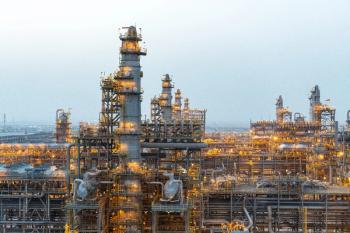
Since installation, the Fadhili Gas Plant has demonstrated a 10 – 15% reduction in amine and steam usage and an approximately 5% reduction in power usage.
Advertisement
Advertisement