
Market Trends
Latest News

Advertisement
Latest Videos
Shorts
Podcasts

Advertisement
More News
The newly authorized partner maintains deep technical expertise in centrifugal compressor technology, including installation, commissioning, troubleshooting, and much more.
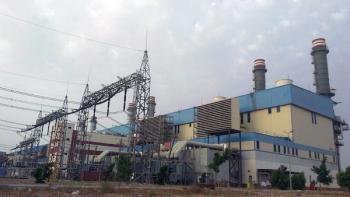
The modernization project aligns with Egypt’s efforts to improve its power generation infrastructure, strengthen energy security, and accelerate efficiency in electricity generation.
A front-end engineering and design study will be jointly conducted to further evaluate engineering, technical, and site parameters, with commercial operation scheduled for 2028.
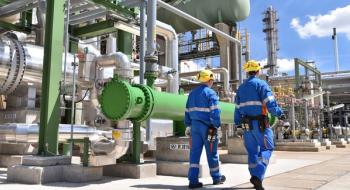
The partnership aims to enhance Canada’s role as a hub for sustainable energy logistics, while bolstering energy security on the demand side in hydrogen-importing countries.
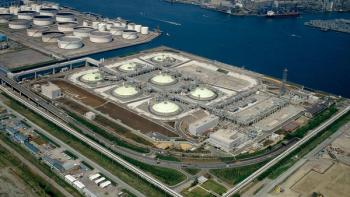
The project successfully achieved large-capacity storage while maintaining high quality and cost efficiency by leveraging a soil-covered raised roof and advanced seismic design.
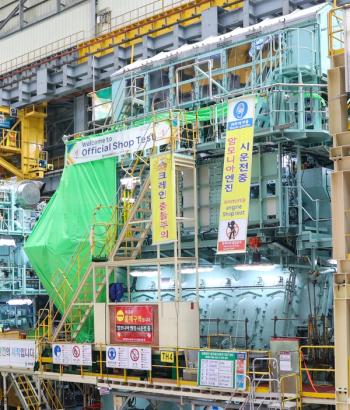
The factory acceptance test is a quality assurance process in which newly manufactured equipment is tested to verify performance against specifications before delivery and installation.

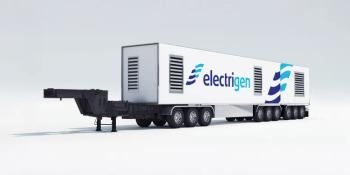
The project will include the development of solutions for the production and use of carbon-free fuels, logistical support for field service operations, and specialized manufacturing activities.
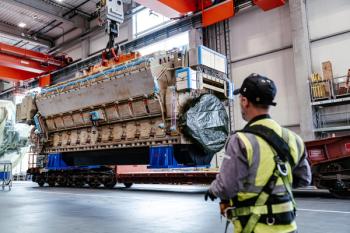
The company used a digital process to identify and track branded components throughout the entire supply chain, with prominently labeled components redesigned by engineering.
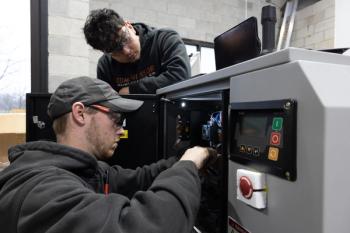
Compressor Maintenance will offer a range of services to support compressed air needs, including system consultation, preventative maintenance programs, OEM parts, and more.

High-pressure gas pipelines may be vital to increasing natural gas transportation capacity, but certain cost, compression, and materials challenges present widespread integration roadblocks.
The Turbomachinery News Network, for the week of April 13, 2026, covers news from Capstone Green Energy, Baker Hughes, Turboden, the Myth Busters, and the AI power surge’s impact.
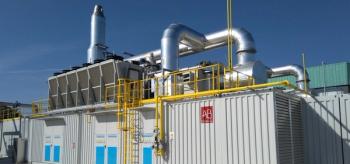
Integrating Turboden’s mechanical vapor recompression system allows steam production to exceed 5 tons per hour within a single cogeneration unit, depending on plant configuration.
As hyperscalers, colocation providers, and utilities invest in new power generation infrastructure, rotating equipment and flow control technologies will play a critical role.
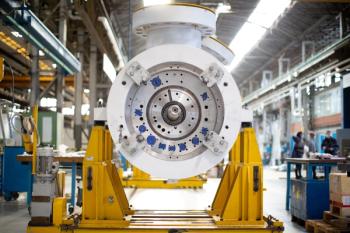
Baker Hughes sells Waygate for $1.45B, further tightening its focus on turbomachinery and LNG as demand continues to drive investment across the industry.
The Turbomachinery News Network, for the week of April 6, 2026, covers news from Baker Hughes, Turboden, Glenfarne Group, Fervo Energy, and CERAWeek 2026 by S&P Global.
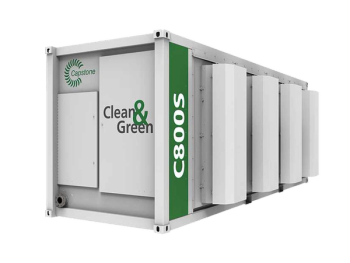
The C800 microturbines will provide on-site electricity while recycling thermal energy to support the resort’s heating demands, including its wave pool and hot-water amenities.

U.S. policy leaders signaled accelerating LNG, coal, and nuclear actions while interest in hydrogen, carbon capture, and offshore wind cooled amid affordability concerns.
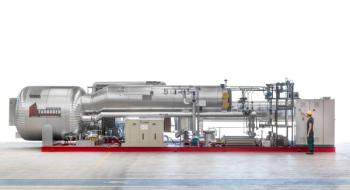
The agreement positions Turboden and Fervo to deliver fast-tracked projects that address near-term electricity demands, especially as data centers increasingly require baseload power.
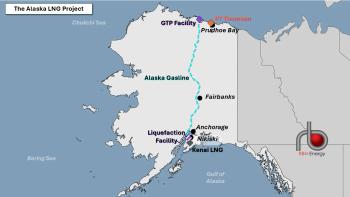
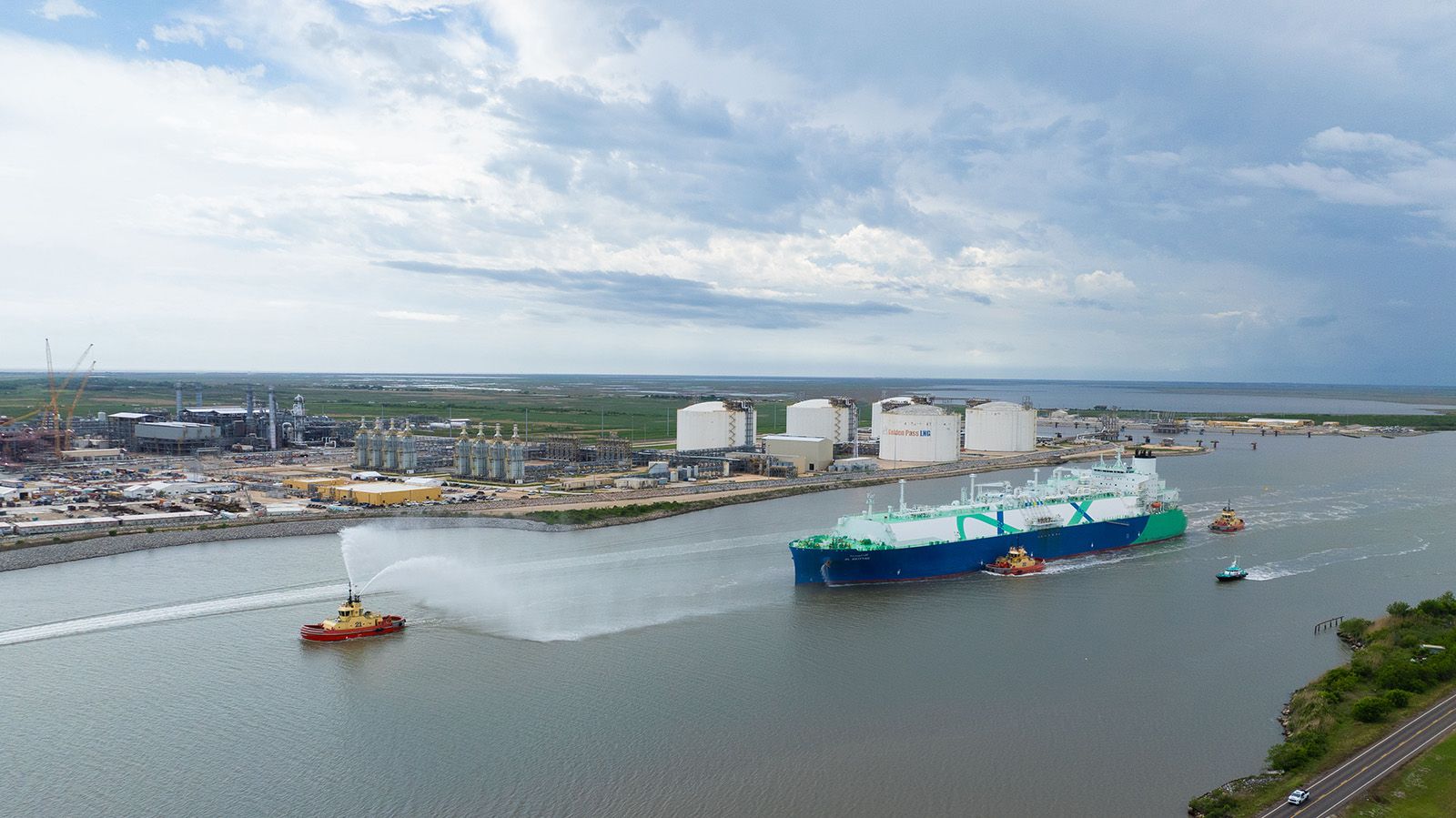
Texas LNG advances toward financial investment decision with strong bank backing, while U.S.-based module fabrication supports financing strength and reduces project risk.
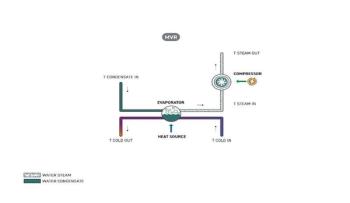
The system will replace Co.Pro.B.’s gas-fired boiler, instead recovering low-pressure vapor and upgrading it to the required process conditions for sugar juice production.
The Turbomachinery News Network, for the week of March 30, 2026, covers news from Mechanical Solutions, Kawasaki, Mitsubishi, the Myth Busters, and Everllence.

The company leveraged its infrastructure and technical expertise at the Merritt Island site, achieving high flow rates to support the rocket during final countdown and liftoff.
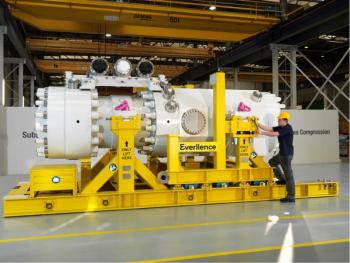
Sealed compressors leverage compactness, low maintenance requirements, and emissions-free operation to enable solutions across the ongoing energy transition.
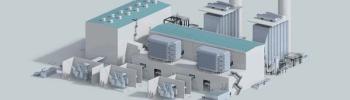
The partners will install test rigs to illuminate the combustion mechanism of actual engines, utilize advanced measurement technology, and pursue gas turbine combined-cycle plants.
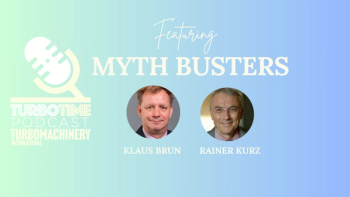
Turbomachinery International is celebrating Klaus Brun and Rainer Kurz, the Myth Busters, for 20 years of consistent debate, exploration, and the technical breakdown of all things rotating machinery.
Advertisement
Advertisement