



Compressors
Latest News
Advertisement
Latest Videos



Advertisement
More News
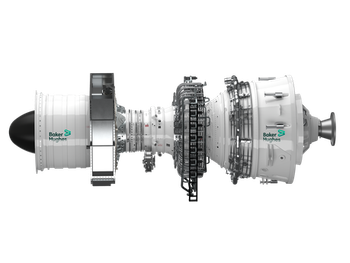
Dynamis Power Solutions will package multiple LM9000 gas turbines as a mobile solution, providing increased versatility for large-scale power consumers in the oil and gas space.
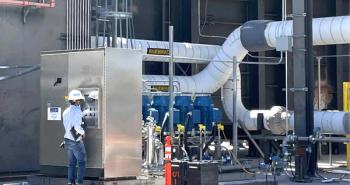
Per Thomas Mee, installing fogging and wet compression technology may extract 10 – 20% more power output from the existing gas turbine fleet, countering longer lead times.
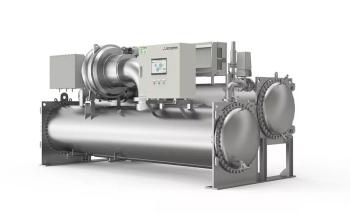
The magnetic bearing technology reinforces an oil-free design, eliminating the need for a lubrication oil system and preventing wear on sliding parts.
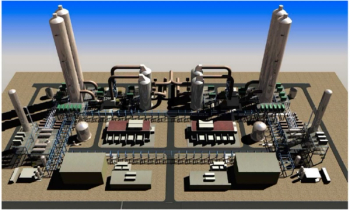
Although the upstream and midstream compressor markets are currently outperforming downstream, historic economic cycles suggest that a recession may arrive by 2031.
The Turbomachinery News Network, for the week of November 10, 2025, covers news from Arabelle Solutions, Baker Hughes, ExxonMobil, and John Crane.
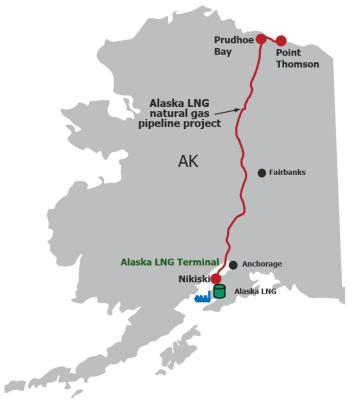
Since Glenfarne became lead developer in March, Alaska LNG has secured commitments for 11 MTPA of LNG from buyers in Japan, Taiwan, South Korea, and Thailand.
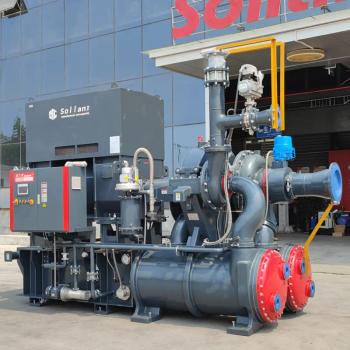
Per Dora Partners’ Christean Kapp, the Chinese compressor market is acquiring foreign technologies, making improvements, and beginning exports to the Middle East and Asia.
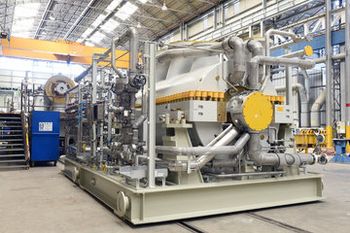
Under the additional contract for Train 5, Baker Hughes will deliver two Frame-7 gas turbines and six centrifugal compressors to support approximately 6 MTPA at the facility.
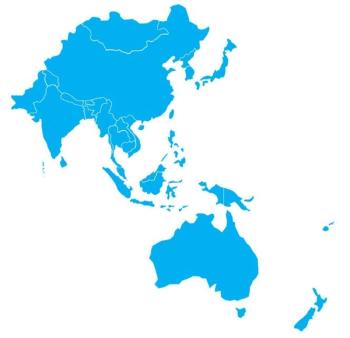
The relocation of North American manufacturing is driving the industrial compression trend in the Asia-Pacific region, as more gas and air compressors are needed to support growth.
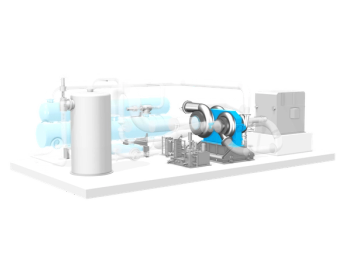
In addition to installing the world’s largest steam heat pump at Kendall Station, Everllence will include a dynamic process simulation and digital twin of the system.

When using gear units within turbomachinery trains, operators should consider wear and degradation, torsional problems, lubrication, and more.
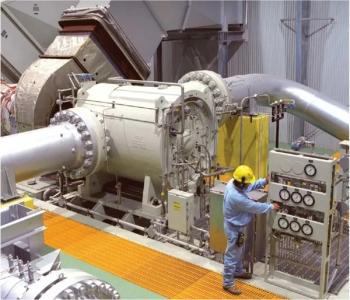
Anthony Brough and Christean Kapp of Dora Partners & Co. address their new partnership with Turbomachinery International and highlight the centrifugal and reciprocating compressor markets.
The Turbomachinery News Network, for the week of October 27, 2025, covers news from GE Vernova, Baker Hughes, and Mitsubishi Power.
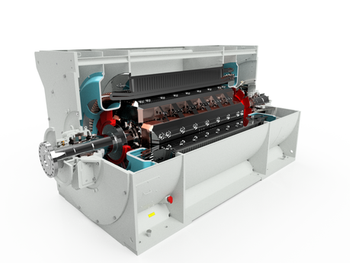
The Blue Point Number One Ammonia Project will produce blue ammonia via autothermal reforming while capturing up to 2.3 million metric tons of CO2 per year.
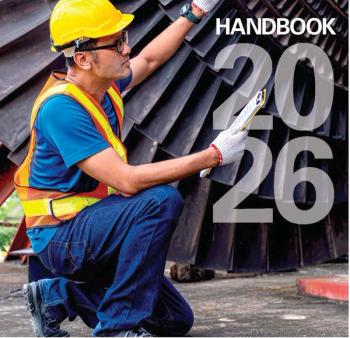
The 2026 Handbook includes a comprehensive outlook of the U.S. power industry and gas turbine market, as well as an industry-wide directory and specifications listings.
The Turbomachinery News Network, for the week of October 20, 2025, covers news from NextDecade, Everllence, Doosan Enerbility, ExxonMobil, and Capstone Green Energy.
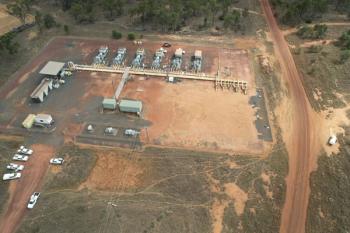
The LM6000 aeroderivative gas turbines, generating up to 112 MW for the Isaac Power Station, will allow QPM to expand the Moranbah gas production and infrastructure assets.
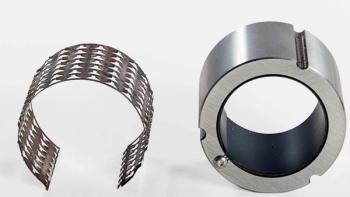
Xdot Bearing Technologies’ product offerings will accelerate growth in high-performance markets with advanced pumps, compressors, and high-speed rotating machines.
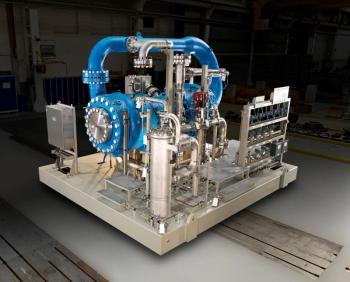
The motor pipeline compressor design eliminates the need for dry gas seals and lubrication systems, leading to higher reliability and minimized lifecycle costs.

Klaus Brun and Rainer Kurz offer differing opinions on the necessity of high-speed versus low-speed balancing, citing API standards and diving into operating-speed discussions.
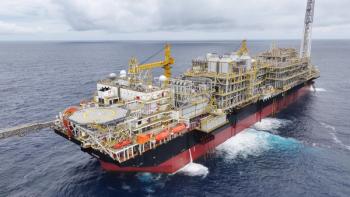
The field’s advanced floating production, storage, and offloading vessel is equipped with high-pressure gas compression, combined-cycle power generation, and more.
The Turbomachinery News Network, for the week of October 13, 2025, covers news from EthosEnergy, Mitsubishi Power, Ebara Elliott Energy, and Shell.
Thin-wall casings and shell bodies play a critical role in turbomachinery, but their susceptibility to imperfections and buckling raises leakage and failure risks.

The new infrastructure includes a new power line, main 138-Kv breaker, 100-MVA power transformer, and numerous capacitor banks to allow full-speed, full-load testing.
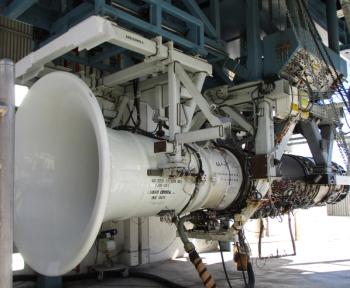
Using a proprietary mix of sand and other particles, the dust-ingestion testing aims to replicate how parts may withstand flight conditions in harsh operating environments.
Advertisement
Advertisement
Trending on Turbomachinery Magazine
1
GE Vernova's 9E Gas Turbine to Power 372 MW Songon Plant in Côte d'Ivoire
2
EnergyLink International Acquires DC Power to Expand Retrofit and Installation Reach
3
Why Compressor Criticality Isn't Always Obvious Until It Fails
4
Powering Data Centers - Thinking beyond basic generation
5