
Compressors
Latest News
Advertisement
Latest Videos


Advertisement
More News

The filtration sieves can endure extreme vibration, pressure, and temperature variations during launch and space travel, supporting the spacecraft’s propellant management devices.
The Turbomachinery News Network, for the week of January 26, 2026, covers news from POWERGEN International 2026, Ansaldo Energia, Baker Hughes, and Pacifico Energy.
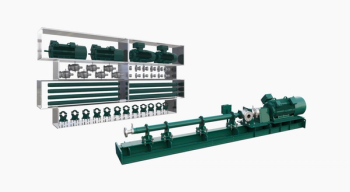
The equipment will support Honeywell’s hydrogen purification system, ammonia processing, and syngas processing, addressing multiple stages of the clean ammonia value chain.
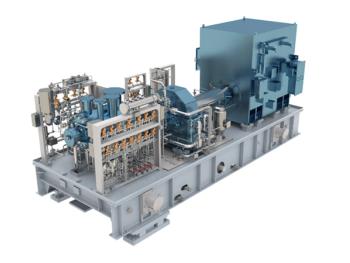
The compressor trains will perform two process duties—flash-gas compression and high-pressure gas injection—maintaining maximum production in Brazil’s Orca field.
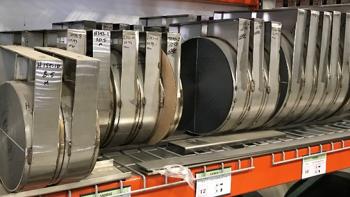
The acquisition provides MIRATECH with increased catalyst production capacity, supporting growth across power generation, gas compression, and industrial/OEM applications.

Per Klaus Brun and Rainer Kurz, properly executed scheduled and condition-based maintenance methods are adequate to prevent failures, costly shutdowns, and interventions.
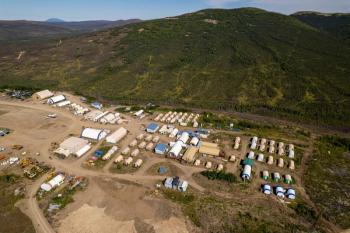
Additionally, Glenfarne and Donlin will jointly establish a method to develop and construct an approximately 315-mile-long natural gas pipeline from southcentral to southwest Alaska.
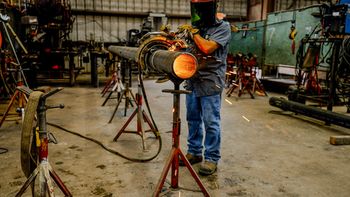
The acquisition broadens Encore Oilfield Services’ physical footprint with two 80-ton overhead cranes, 70-foot eave heights, and 103,000-square-feet of manufacturing space.
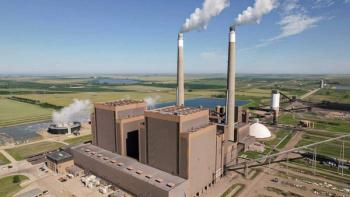
Firm transportation commitments support development of the 36-inch pipeline project aimed at meeting growing power, data center, and industrial demand in the state.
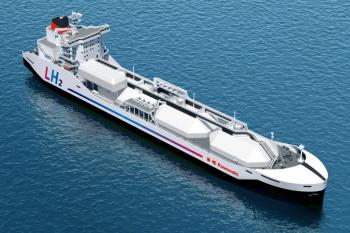
The 40,000-cubic-meter vessel will support a government-backed demonstration aimed at commercializing the global transport of liquefied hydrogen by 2030.
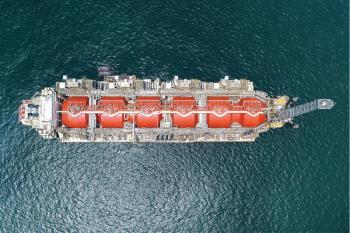
The MK2 project will convert Golar’s LNG tanker—Fuji LNG—into a floating LNG vessel with an expected annual production capacity of 3.5 million tons.
Turbomachinery News Network: Ansaldo Energia, Rotating Machinery Services, Energy Transfer, and more
The Turbomachinery News Network, for the week of December 29, 2025, covers news from Rotating Machinery Services, Doosan Enerbility, Ansaldo Energia, Baker Hughes, and Energy Transfer.

Digital tools, AI, and predictive maintenance are reshaping turbomachinery and driving gains in reliability, efficiency, and long-term asset performance in 2025.
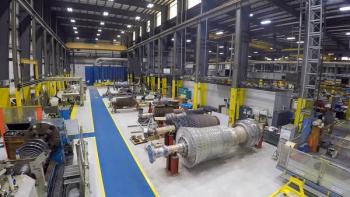
The company will integrate EthosEnergy’s TurboCare team, technical data, and intellectual property to support a broad range of OEM technologies.
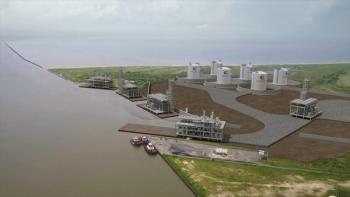
In addition to delivering centrifugal compressors and LM9000 aeroderivative gas turbines, the full scope includes commissioning services, spares and warranties, and full string tests.
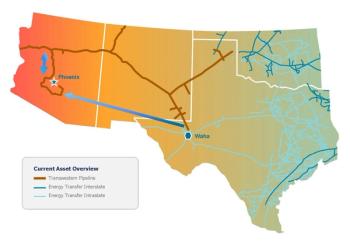
Increasing pipeline capacity will satisfy demand growth in the Desert Southwest region, which includes initiatives to retire and/or convert coal-fired plants to natural gas usage.
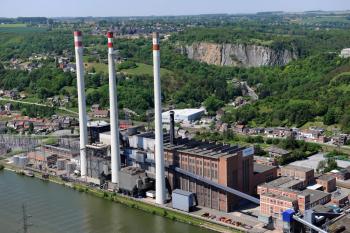
The major milestones for Belgium’s electricity supply include a combined-cycle gas turbine plant, a battery energy storage system, and the Coo pumped-storage plant.
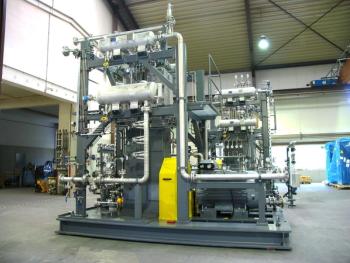
KOHO and Svanehøj previously collaborated on numerous high-profile shipbuilding projects, such as the Northern Lights LCO2 carriers and Höegh Autoliners’ Aurora-class design.
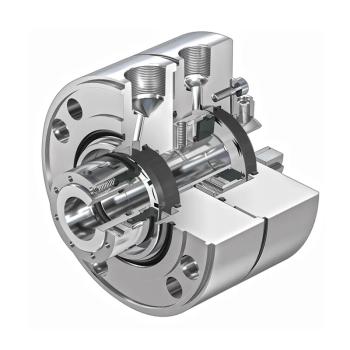
Previously, the undisclosed operator shifted its strategy from equipment availability to long-term reliability and enlisted John Crane to solve sealing inconsistency issues at a flagship refinery.

Klaus Brun and Rainer Kurz address the benefits and challenges of compressing, transporting, and utilizing CO2, highlighting its dedicated turbomachinery and role in a decarbonized society.

Following capture with the Advanced KM CDR Process, the CO2 will be transported via pipeline for permanent sequestration in depleted gas fields beneath Liverpool Bay.

Many turbomachinery diagrams are outdated and recommend axial machines over centrifugals, but modern technological advancements must be considered for industrial applications.
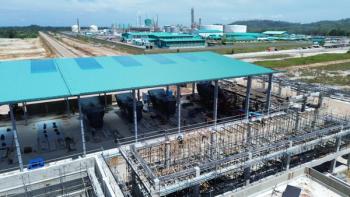
Although Malaysia’s decarbonization efforts focus on hydropower and solar, Everllence’s gas engines can balance fluctuating renewable input with short response times and high efficiency.
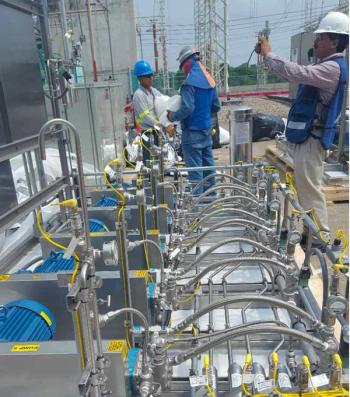
With U.S. power demand increasing due to data centers and ruled-out renewables, fogging and wet compression technology can help generate power quickly and inexpensively.

Among other causal factors, stress concentrations accumulate in areas with sharp edges, so filleting and chamfering is required to enable the smooth flow of stress streamlines.
Advertisement
Advertisement
Trending on Turbomachinery Magazine
1
GE Vernova's 9E Gas Turbine to Power 372 MW Songon Plant in Côte d'Ivoire
2
EnergyLink International Acquires DC Power to Expand Retrofit and Installation Reach
3
Why Compressor Criticality Isn't Always Obvious Until It Fails
4
Powering Data Centers - Thinking beyond basic generation
5