
Conference Coverage
Latest Content

Sep 03, 2026 | News
GE Vernova Signs Expanded Venezuela Power Deals With PDVSA, Corpoelec
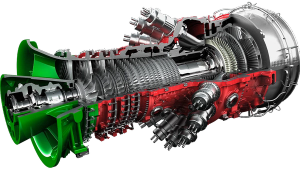
Ansaldo Energia Wins Independent Hydrogen and HVO Certifications for GT36, AE94.3A
Sep 02, 2026
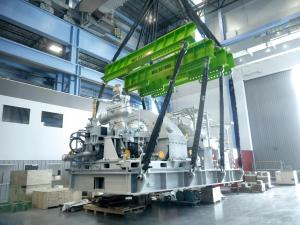
MHI Compressor International to Supply Turbomachinery for Shintech's PEP-2 Ethylene Plant
Sep 01, 2026
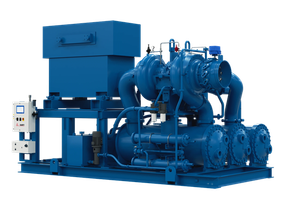
FS-Elliott Expands Polaris Line With High-Capacity P750 Centrifugal Compressor
Sep 01, 2026
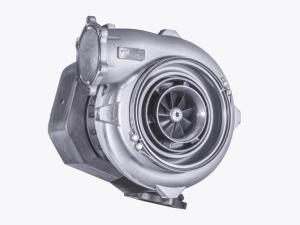
Accelleron Raises 2026 Guidance as Data-Center Turbocharger Demand Doubles
Aug 28, 2026
Advertisement
Shorts
0:35
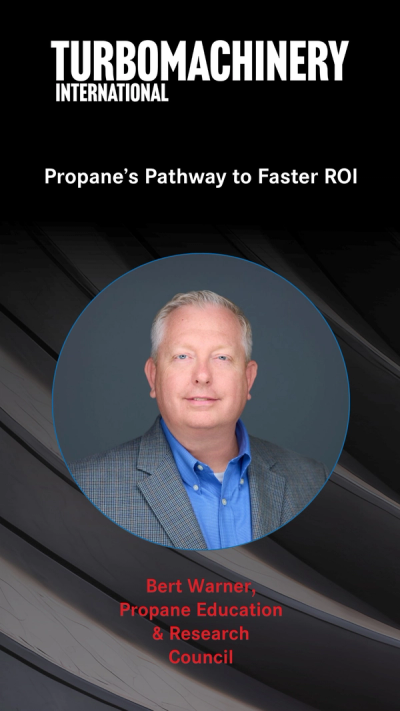
Propane's Pathway to Faster ROI
7 months ago
by
James Cook
0:52
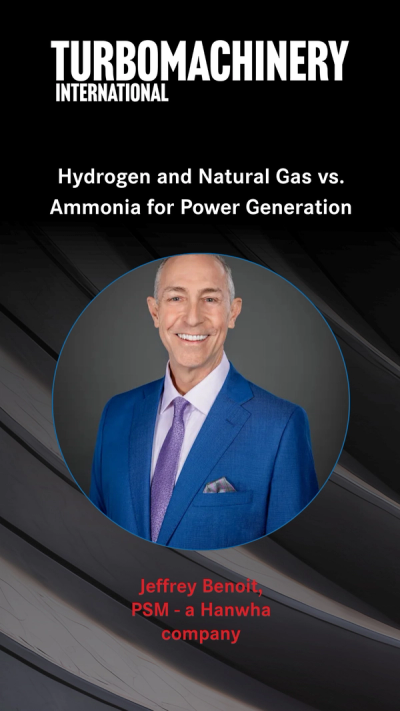
Hydrogen and Natural Gas vs. Ammonia for Power Generation
7 months ago
by
James Cook
0:40
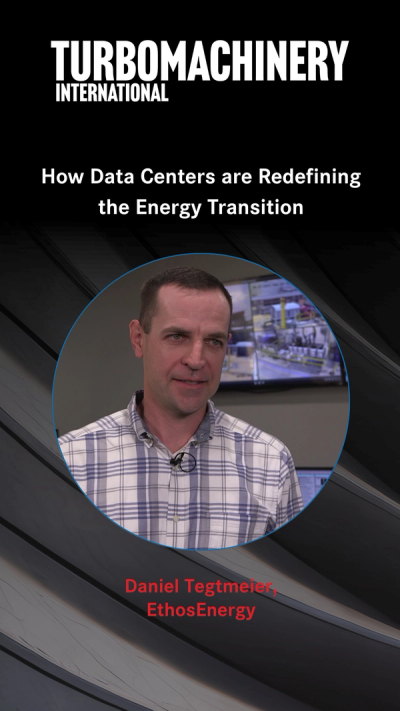
How Data Centers are Redefining the Energy Transition
7 months ago
by
James Cook
0:28
Propane: The New Prime Energy?
7 months ago
by
James Cook
0:42
Mee Industries Adds 5-10 Turbines Worth of Power in Iraq
9 months ago
by
James Cook

0:34
Fogging and Wet Compression Installations in Japan and Iraq
9 months ago
by
James Cook
0:50
Why Carbon Capture Devours 20% of a Power Plant's Energy
10 months ago
by
James Cook
0:46
China's Compressor Market is Rapidly Changing the Global Balance
10 months ago
by
James Cook
0:46
Renewables Failing to Drive Growth in the U.S. Compressor Market
10 months ago
by
James Cook
0:43
How EthosEnergy Extends Asset Lifetimes to Boost Power Efficiency
a year ago
by
James Cook
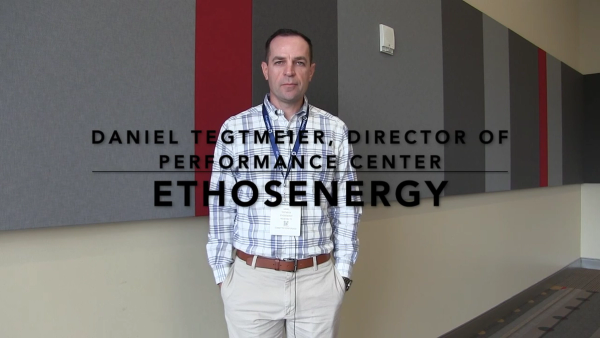
Tegtmeier of EthosEnergy Emphasizes Plant Fundamentals, Remote Monitoring Tech
Remote monitoring delivers comprehensive plant control/overview, but Tegtmeier says that it shouldn’t replace standard operating procedures, equipment criticality, and other fundamentals.
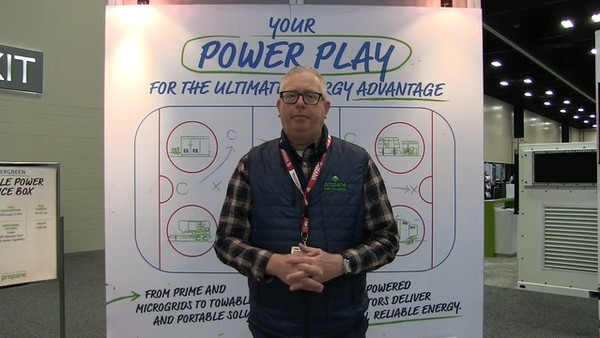
Bert Warner Highlights Cost Savings with Propane, PERC’s Research Program
The Alternative Technology Demonstration and Research Program obtains data from propane-fired combined heat and power installations and commercial facilities in the United States.
PSM’s Jeffrey Benoit Details Ammonia Combustor Development at DLR
The company installed its own ammonia vaporization system at the German Aerospace Center to enable partial- and full-load testing, helping to validate the new combustor’s architecture.
EthosEnergy Talks Heat Rate, Flexibility, and Energy Transition at POWERGEN 2026
Daniel Tegtmeier, Director of EthosEnergy’s Performance Center, says that the energy transition shifted its focus from decarbonization and renewables to extending current assets.
Bert Warner of PERC Outlines Propane’s Advantages as a First-Choice Energy
The Propane Education & Research Council said that propane’s speed-to-power, extensive infrastructure, and readily available power equipment makes it a prime first-energy choice.
Podcasts




Videos


Advertisement
All Content
Advertisement

Siemens Energy is working with Goldman Sachs on a majority stake sale of its steam turbine and compressor unit, a deal that could exceed €10 billion.
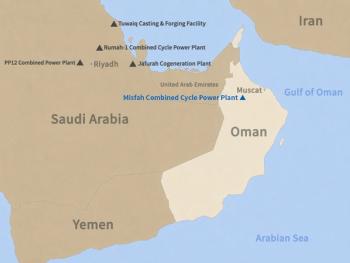
Doosan Enerbility signed a $683 million EPC contract to build Oman's 1,700 MW Misfah combined-cycle gas plant, its second major Omani award this year.
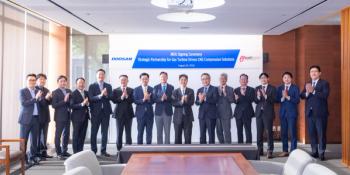
Ebara Elliott Energy and Doosan will integrate gas turbines and centrifugal compressors for LNG trains, targeting commercial readiness in 2028.
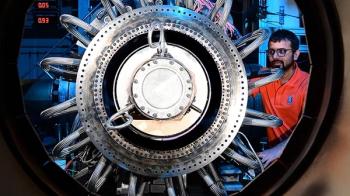
Rolls-Royce and Reliance Industries announced plans to jointly develop a sovereign combat engine for India's fifth-generation AMCA stealth fighter program.

Texas hybrid plant pairs HA gas turbines with BWRX-300 SMRs, using modular builds to deliver fast baseload power for data centers.
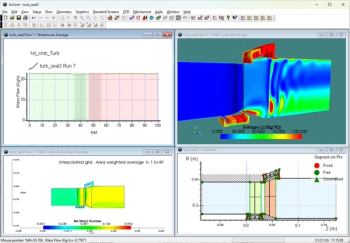
New AEDS tools integrate cooling

Baker Hughes joins Kuwait Oil Company’s innovation hub, launching an R&D center to deploy AI automation with particular emphasis on digital solutions, artificial intelligence-driven automation, and fit-for-purpose technologies.
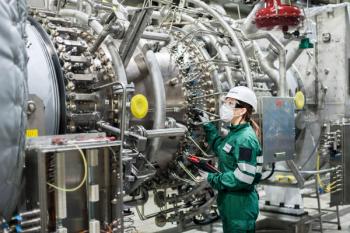
Dynamis Power Solutions has awarded Baker Hughes an order for 76 NovaLT16 gas turbines totaling approximately 1.3 GW to power its new DT17 hypermobile platform.

DOE offers up to $65.5M for cost-shared R&D boosting oil and gas infrastructure—new opportunities for compressors, pumps, and reliability tech.
Siemens Energy's Gas Services orders surged 62% to a record as the company joined GE Vernova and Baker Hughes in reporting a record turbomachinery quarter.
Advertisement
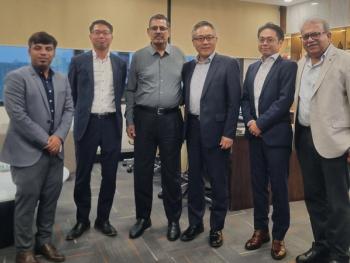
Ebara Elliott Energy wins major Middle East gas project deal, supplying nine high-pressure centrifugal compressor trains for L&T with phased delivery.
A structured process control redesign eliminates five recurring nuisance-trip causes on a 500 HP water injection pump, clearing the way for full automation.
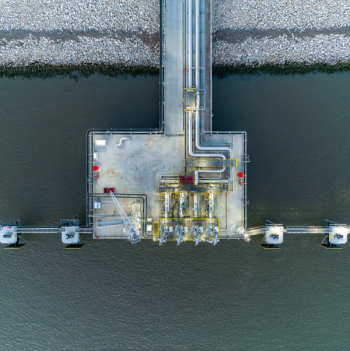
Baker Hughes wins CP2 LNG expansion order, delivering six SMR liquefaction blocks and compressors to scale U.S. Gulf Coast exports.
EthosEnergy streamlines after private equity buyout, divesting noncore assets and investing in turbine IP to sharpen focus and capture rising power demand.
Sponsored Content
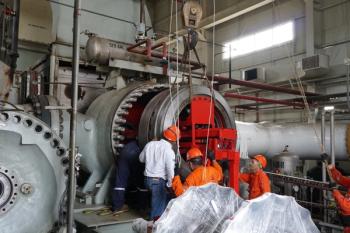
Flexware brings together remote performance monitoring, root cause engineering, precision manufacturing, and field services under one roof—giving operators a true end-to-end partner for the life of their rotating equipment.
Advertisement
Advertisement
Trending on Turbomachinery Magazine
1
Ansaldo Energia Wins Independent Hydrogen and HVO Certifications for GT36, AE94.3A
2
GE Vernova Signs Expanded Venezuela Power Deals With PDVSA, Corpoelec
3
FS-Elliott Expands Polaris Line With High-Capacity P750 Centrifugal Compressor
4